Search Results
Search this site
179 results found with an empty search
- Exam Jargon Busting
1. Media Language & Representation Jargon (Section A) These terms are essential for the 15-mark and 30-mark analysis questions: Codes and Conventions: The specific signs, symbols, and technical methods (like lighting or framing) used to communicate meaning. Viewpoints and Ideologies: The underlying beliefs or "worldviews" that a media product promotes through its construction. Social and Cultural Contexts: The societal factors (e.g., current events, movements, or norms) that influence how a product is made and understood. Gender Stereotypes: Categorical, often simplified representations of masculinity or femininity. Versions of Reality: How a media product constructs a "truth" or specific perspective of the world. Positioning Audiences: The way media language is used to encourage the audience to adopt a certain point of view. Values and Beliefs: The principles or moral standards that a media product appears to support or challenge. 2. Media Industries & Audiences Jargon (Section B) These terms appear frequently in the short and medium-answer industry questions: Vertical Integration: A business strategy where one company owns multiple stages of a product's life cycle, such as production, distribution, and exhibition. Distribution: The methods used to deliver a media product to its audience (e.g., physical vs. digital). Diversification: When a media company expands its business into different areas or markets to minimize risk. Digital Convergence: The merging of different media forms (like radio, print, and video) onto single digital platforms. Conglomerate Ownership: When a large corporation owns a variety of smaller companies in different media sectors. Public Service Broadcaster (PSB): An organization (like the BBC) that is funded to provide content for the public benefit, rather than just profit. Regulation: The systems in place to control or monitor media content, such as the BBFC for film age ratings. Decode: The process by which an audience interprets the meaning of a media message based on their own experiences. Specialised vs. Global Audiences: Niche, targeted groups versus massive, international demographics. 3. The "Linguistic Barriers" of Exam Structure Understanding these command words and phrases is necessary to ensure your response matches the mark allocation: "Explore how...": Requires an in-depth analysis of technical elements to explain how they create meaning (typically 15 marks). "Compare how far...": Demands a balanced look at two products, requiring you to make judgements and draw conclusions (typically 30 marks). "Draw together knowledge...": This is a synoptic instruction. It means you must link different parts of the course (e.g., linking ownership to political context) to answer the question. "Sustained line of reasoning": A phrase used in the mark schemes to indicate that your answer must be logically structured, coherent, and substantiated with evidence. "Refer to [Set Product]": A mandatory instruction. If you do not reference the specific case study mentioned (e.g., The Times or Black Panther), you cannot access the higher mark bands
- Predictions for GCSE Component 1
An analysis of the Component One "Exploring the Media" exam papers from 2019 to 2025 reveals a highly structured format that consistently tests four key areas of the theoretical framework: Media Language, Representation, Media Industries, and Audiences. 1. Frequency of Topics Assessed The exam is divided into two sections, with topics rotating between set products each year. Section A: Media Language (Question 1): This 15-mark question rotates across print-based media. Newspapers: Assessed in 2020 (The Guardian) and 2024 (The Guardian). Magazines: Assessed in 2019 (GQ). Film Posters/Marketing: Assessed in 2021 (The Man with the Golden Gun) and 2023 (Spectre). Print Advertising: Assessed in 2022 (This Girl Can) and 2025 (Quality Street). Section A: Representation (Question 2): This 30-mark section (split into 5 and 25 marks) consistently focuses on how specific groups or ideas are portrayed. Gender: A frequent focus, appearing in 2019 (Print Ads), 2020 (Men in Film Posters), 2023 (Men in Magazines), and 2024 (Film Posters). Ethnicity: Assessed in 2022 (Magazines) and 2025 (Magazines). Viewpoints/Messages: Assessed in 2021 (Newspapers). Section B: Media Industries and Audiences (Questions 3 & 4): These sections alternate between Radio, Video Games, Film, and Newspapers. Radio (The Archers): Featured heavily in 2019 (Industries), 2020 (Audiences), 2021 (Audiences), 2023 (Industries), and 2024 (Industries). Video Games (Fortnite): Appears almost every year, alternating between Industry focus (2020, 2021) and Audience focus (2022, 2024, 2025). Film (Spectre/007): Assessed in 2022 (Industries) and 2025 (Industries). Newspapers (The Sun): Assessed in 2019 (Audiences) and 2023 (Audiences). 2. Type of Questions The papers follow a predictable marking and structural pattern: Short Answer (1–2 marks): Found in Section B, requiring candidates to "Name" an organization or "Identify" an audience. Brief Explanation (4–6 marks): These ask for specific knowledge, such as explaining "funding" or "marketing" strategies. Structured Analysis (5 marks): Question 1(a) and 2(a) consistently use 5-mark slots to test specific media language elements or the influence of contexts (Social, Cultural, Historical, or Political). Extended Response (10–12 marks): These require more depth, often appearing in Section B to explain industry practices or audience theories like Uses and Gratifications. Comparison (25 marks): This is the largest single question (2b), requiring an extended, structured comparison of two products—one "set" product and one "unseen" resource. Synoptic Question: Usually Question 4(c) (or 3c in some years), this explicitly rewards students for drawing together knowledge from across the full course of study. 3. Command Words The exams use specific command words to signal the required depth of the answer: "Explore": Used for Media Language (Q1), asking candidates to analyze how meanings are communicated through codes like images, layout, and typography. "Explain": Used for questions on context, industries, and audiences. It requires a demonstration of how or why something happens (e.g., "Explain how contexts influence newspapers"). "Compare": Specifically for Question 2(b), requiring candidates to identify similarities and differences in representation between two products. "Name / Identify / What type": Used for low-tariff questions requiring simple, factual recall. "Briefly explain": Found in Section B for 4–5 mark questions, requiring a concise response that still provides a clear reason or method. Section A: Media Language and Representation Predictions Question 1: Media Language (15 Marks) Product Prediction: Magazines (GQ) or Print Advertising (This Girl Can). Reasoning: The 15-mark Media Language question rotates through the print-based set products. Magazines haven't appeared in this slot since 2019. While film posters and newspapers appeared recently (2023 and 2024 respectively), and Quality Street was the focus in 2025, Magazines are the most "overdue" for a dedicated media language analysis. Likely Focus: Expect tasks asking you to "Explore" typography, visual codes (lighting, setting, dress), or layout and design. Question 2: Representation (30 Marks total) Product Prediction: Newspapers (The Sun and Daily Mirror). Reasoning: The 25-mark comparison question (2b) focused on Magazines in 2025 (Ethnicity) and Film Posters in 2024 (Gender). Newspapers have not been the focus of the comparison question since 2021, making them a very strong candidate for this year. Focus Prediction: If newspapers are selected, the focus will likely be on political or social viewpoints and how they represent specific events or groups. Context (2a): You will likely be asked to explain how social or historical contexts influence these representations. Section B: Media Industries and Audiences Predictions Question 3: Media Industries Product Prediction: Radio (The Archers). Reasoning: The Archers was entirely absent from the 2025 paper. Historically, it appears in Section B almost every other year. Likely Questions: Regulation: Naming Ofcom and explaining its role in radio. Funding: Explaining the difference between public service broadcasting (BBC) and commercial funding. Technology/Distribution: How the BBC uses digital platforms (like BBC Sounds) to reach audiences. Question 4: Audiences Product Prediction: Newspapers (The Sun) or Video Games (Fortnite). Reasoning: The Sun hasn't appeared in Section B for the last two years. If it appears, expect questions on audience categorization or how digital platforms attract readers. If Fortnite appears, it often focuses on marketing or interactive features. The Synoptic Question (4c): This 12-mark question consistently asks you to "draw together knowledge". It is highly likely to require the application of Uses and Gratifications theory to explain audience engagement with either a newspaper website or a video game. Summary of Key "Due" Topics Theory: Uses and Gratifications is the most frequently assessed theory for the synoptic question and is a safe bet for 2026. Industry Concept: Regulation or Media Conglomerates are high-frequency topics that often appear as short-answer or mid-length explanations. Command Words: Prepare specifically for "Compare" in Q2(b) and "Explain how" in Section B, as these carry the highest mark weightings
- Deep Dive - Quality Street
Point The 1956 Quality Street print advert utilizes a specific triangular geometric composition to establish the product as the central focus of consumer desire. Evidence The product itself takes central framing at the bottom of the triangle, supported by strong typography in a bold purple colour and a rich palette of primary and secondary colours. Theory This layout follows the principles of semiotic analysis, where the "gold frame" creates an anchorage that connotes a "halo effect" around the main characters and the brand. Analysis By using a bold serif font, the producers connote richness and elegance, signaling to a well-read, educated audience that the chocolates are a premium, high-status item. Cultural Context This artistic, hand-drawn design reflects the post-war consumerist culture of the 1950s, where luxuries were once again becoming an acceptable part of daily life following wartime rationing. Point The advert relies on intertextuality and established brand icons to create a sense of historical prestige and British identity. Evidence The characters in the background gold frame, Miss Sweetly and Major Quality, have been essential to the brand’s identity since 1936. Theory These characters symbolise the Regency era of British history, serving as a "pre-sold" brand identity that links the product to a time of elegance in fine art and architecture. Analysis The inter-relationship between the modern 1950s characters and these Regency icons suggests that the product's quality is timeless and rooted in British tradition. Cultural Context The 1950s mirrored the Regency era through significant social developments and advancements in technology and fashion, making this historical parallel highly resonant for the audience. Point The advertisement constructs a patriarchal narrative that reflects the conservative gender roles and social hierarchies of the mid-20th century. Evidence The male character is centrally framed in a formal suit, positioned as the "provider" of the brand who is in control of the sweets. Theory This can be analysed through Mulvey’s "male gaze" theory, as the man directs the audience’s eyes toward the product, which carries significant phallic symbolism. Analysis The women are depicted with subservient body language, suggesting that for a woman to be successful or "happy," she must be romantically led by a dominant male figure. Cultural Context These representations reflect the 1950s social context, where gender roles were markedly different and the domestic "housewife" was often portrayed as taking care of the "man of the house". Point Quality Street uses social class imagery to position the product as an aspirational item that unites diverse groups. Evidence The advert features three distinct levels of class: the high-class Regency icons, the middle-class man in the suit, and the seemingly lower-class female characters. Theory This mediation of reality suggests that while society is stratified, the "prize" of the product is a luxury that everyone can—and should—aspire to own. Analysis By uniting these classes around the central tin, the brand suggests that the chocolates are a symbol of decadence and "high culture" that has become affordable to the masses. Cultural Context This aligns with the Conservative Party's 1951 slogan "Set the People Free," which supported a shift where entertainment and luxuries became more accessible to a wider audience. Point The advert is strategically designed to target young to middle-aged adults who see their own aspirations reflected in the modern characters. Evidence The primary target audience is identified as adults aged 25–40, who would likely identify with the "businessman" and the fashionable women in the foreground. Theory This involves the selection and combination of elements to construct a version of reality that feels both relatable and desirable to a post-war demographic. Analysis By focusing on a "dilemma" between romance and the product, the advert engages the audience's emotions, framing the purchase of sweets as a key part of modern social interaction. Cultural Context As society emerged from the "rationing of World War Two," the target audience was eager to embrace the "aspirational" lifestyle depicted in such glossy, consumer-focused campaigns. Point The advert employs female stereotypes to create a narrative of domesticity and romantic manipulation. Evidence The women are shown with a supposed "need for chocolate," utilizing a common and enduring stereotype to drive the product's appeal. Theory These stereotypes enable the audience to interpret the media quickly, recognizing the "subservient" role of women in relation to the "dominant" provider. Analysis A deeper connotation of manipulation emerges, where the women distract the man through romance specifically to gain access to the "prize" in his lap. Cultural Context This reflects the 1950s perception of the housewife, whose gaze often avoids directly addressing the audience, reinforcing her secondary status within the domestic sphere. Brand History: What are the names of the two Regency era characters who have been icons of the brand since the 1930s? Media Language: What specific visual element is used to create a "halo effect" around the main characters? Gender Representation: Which feminist theorist's concept of the "male gaze" can be applied to the man’s control over the product? Socio-Economic Context: What was the Conservative Party's 1951 election slogan that signaled a shift toward more accessible "high culture"? Audience Demographics: What is the specific age range of the target audience for this 1956 advertisement? Typography: What does the use of a bold serif font connote about the brand and its intended audience? Narrative Codes: How are the female characters’ outfits visually linked to the product shown at the bottom of the poster? Social Context: Why was the concept of "luxury" particularly significant for British grocery shoppers in the 1950s? Glossary of Key Terms Anchorage: The use of a visual or textual element (like the gold frame) to fix the meaning of an image. Aspirational: Imagery designed to make a target audience desire a higher social status or a more luxurious lifestyle. Connotation: The secondary, deeper meaning suggested by a sign, such as purple connoting wealth or royalty. Denotation: The literal, surface-level meaning of a sign. Enigma Code: A narrative hook, such as an "unusual image," used to intrigue the audience and make them look closer. High Culture: Artistic and cultural products, like fine art and theatre, traditionally associated with the wealthy and upper classes. Intertextuality: The relationship between media texts, such as the 1956 advert referencing the 1930s Regency characters. Male Gaze: A theoretical perspective where the world is represented from a masculine point of view, often objectifying or sidelining women. Patriarchal Narrative: A story that reinforces a society dominated by men, often portraying them as "providers" or "leaders". Phallic Symbolism: An object or image that suggests male power or dominance, often linked to the way the product is held. Post-war Consumerism: The surge in spending and interest in luxury goods in Britain following the end of WWII rationing. Regency Era: A period of British history (1811–1837) known for elegance in fashion and architecture, used as the brand's aesthetic root. Serif Font: A style of typography with small "feet" on the letters, often used to connote tradition, richness, or education. Stereotype: A simplified and widely held image of a social group, such as the "subservient housewife" or women's "need" for chocolate. Triangular Composition: A layout technique that draws the viewer’s eye toward a central point of interest at the base of a triangle
- Super. Human - Deep Dive
Point The Super. Human. advert represents a strategic shift in the promotion of disability sports by prioritizing the "Human" realities and sacrifices over the traditional "Super" narrative used in previous campaigns. Evidence Produced by Channel 4's in-house agency 4Creative and directed by Oscar-nominated cinematographer Bradford Young, the advert purposefully juxtaposes elite training with domestic scenes of everyday life, such as eating breakfast or a woman in childbirth. Theory This reflects a move away from the repertoire of elements typical of the "Meet the Superhumans" era, focusing instead on the mental determination required to be an elite athlete first. Analysis By showing athletes in relatable domestic settings, the producers aim to make them "real people" to the audience rather than untouchable heroes or victims to be pitied. Context This approach aligns with Channel 4’s ideology and remit to give a voice to minority groups that are usually marginalized or misrepresented in mainstream media. Point The advert utilizes upbeat and familiar audio codes to navigate "compassion fatigue" and create a positive, energetic tone for a potentially sensitive subject. Evidence The soundtrack features "So You Want to be a Boxer" from the musical Bugsy Malone, which is combined with raw sound effects like grunts, groans, and the strident sound of an alarm clock. Theory According to Roland Barthes’ semiotics, these audio signs work alongside visual codes to communicate the "battle" of training and the hard work paying off. Analysis The choice of a familiar, stirring tune grabs the audience’s attention and provides an upbeat feel that encourages viewers to invest in the individual narratives. Context The use of a classic film soundtrack also caters to older demographics who will recognize the song, broadening the campaign's reach across a diverse audience. Point Specific technical codes and cinematography are employed to provide an unvarnished, "blood and guts" look at the physical demands of Paralympic competition. Evidence Cinematographer Bradford Young uses close-ups of pained expressions and intense shots of Ellie Simmonds in the pool, alongside "uncomfortable" footage of a blister being popped or a prosthetic blade being attached. Theory This relates to Stuart Hall’s theory of representation, where meanings are communicated through signs of endurance and struggle rather than simplified, one-dimensional stereotypes. Analysis These "shock tactics" are designed to make the audience "sit up and think," forcing them to engage with the gritty realities of disability rather than looking away. Context This stylistic choice reflects a social context where there is an appetite for authentic and compelling success stories that feel accessible and real. Point The text is constructed using binary oppositions to highlight the stark contrast between peak physical ability and the societal barriers faced by disabled people. Evidence Visual oppositions are created between elite training regimes and the reality of a wheelchair user, Kylie Grimes, being unable to enter a café due to a single step. Theory Applying Claude Lévi-Strauss’ structuralism, these oppositions encourage the audience to reflect on the "conceptual" gap between audience perception and everyday reality. Analysis Juxtaposing high-performance moments with mundane domestic struggles reinforces the "normalcy" of the situation while exposing systemic inequality. Context By making these barriers "pretty shocking," the advert lands the Paralympics on an equal footing with the Olympics in the public consciousness. Point Super. Human. directly challenges cultural myths and perceptions of disability through its subversive and provocative on-screen messaging. Evidence The campaign ends with the slogan, "To be a Paralympian there’s got to be something wrong with you," which is set against positive images of athlete achievement. Theory This challenges George Gerbner’s cultivation theory by offering a "refreshing" perception that pushes the audience to question their own mainstream values and preconceptions. Analysis The advert reclaims the word "wrong," transforming it from a deficit into a signifier of pride and extraordinary mental determination. Context This strategy was highly successful, with 65% of viewers reporting that the coverage had a positive impact on their perception of disabled people. Point The campaign successfully addressed diverse audiences by fulfilling Channel 4’s public service remit to serve a culturally diverse society. Evidence The marketing reached 81% of the UK population, attracting 20 million viewers, with a significant 22% of those being in the 16-34 age bracket. Theory According to David Gauntlett’s theory of identity, the advert offers an inclusive range of identities that allow disabled people to see themselves "visibly recognized." Analysis By avoiding a patronizing voice-over or moralizing graphics, the advert respects the audience’s intelligence and encourages active examination of personal bias. Context The resulting high engagement led to the biggest Channel 4 weekly share of TV viewing since 2016, proving the commercial and social viability of inclusive broadcasting. Directorial Background: Who was the director of the Super. Human. advert, and what was his significant professional milestone in 2017? Soundtrack and Tone: How does the choice of the song "So You Want to be a Boxer" from Bugsy Malone help the advert avoid "compassion fatigue"? Media Language (Juxtaposition): What is the intended effect of juxtaposing high-performance training iconography with domestic scenes like a woman in childbirth? Technical Codes: How does the use of close-up shots (such as Ellie Simmonds' eyes or a blister being popped) engage the audience differently than traditional charity adverts? Structuralism (Binary Oppositions): What specific conceptual binary opposition is created by the final on-screen slogan, "To be a Paralympian there’s got to be something wrong with you"? Representation Shift: Why did the agency 4Creative decide to emphasize the "Human" element of the athletes rather than the "Super" focus of previous campaigns? Theoretical Perspectives (Identity): According to David Gauntlett, how does this advert offer a more inclusive range of identities for disabled people? Audience Impact: What percentage of the UK population was reached by the marketing campaign, and how many people viewed the coverage on Channel 4? Glossary of Key Terms 4Creative: Channel 4’s in-house creative agency responsible for developing the Super. Human. campaign. Audio Codes: Sound elements, such as the Bugsy Malone soundtrack or the "strident" sound of an alarm clock, used to communicate tone and meaning. Binary Opposition: A structuralist technique of contrasting two opposite concepts, such as elite training vs. domestic life or perception vs. reality. Bradford Young: The Oscar-nominated cinematographer who directed the advert, known for his work on the film Arrival. Channel 4 Remit: The broadcaster's official obligation to appeal to the tastes and interests of a culturally diverse society and give a voice to marginalized groups. Close-up: A technical camera code used to engage the audience and portray athletes as three-dimensional individuals rather than victims. Compassion Fatigue: The tendency for audiences to become "immune" to typical charity adverts; this campaign counters this by being positive and upbeat. Domestic Scenes: Familiar settings of everyday life (e.g., eating breakfast or playing with family) used to establish the normality of the athletes' lives. Enigma Code: Recognisable signs and conventions that audiences must decode to understand the advert’s message. Iconography: Visual images and symbols specific to a sport, such as swimming goggles or track cyclist clothing, used to rapidly identify an athlete's role. Juxtaposition: The act of placing two contrasting images side-by-side, such as a Paralympian at peak power next to a wheelchair user unable to enter a café. Meet the Superhumans: Channel 4’s previous Paralympic advertising campaigns that the 2020 advert explicitly sought to evolve from. Preferred Reading: The interpretation intended by the producers (encoders) that the audience should invest in the athletes' narratives and watch the Games. Super. Human.: The title of the 2020 campaign that prioritizes the mental determination and sacrifices of athletes over their disability. Technical Codes: The use of camera work, editing (like slow motion), and ambient lighting to rapidly convey a realistic "representation of reality"
- This Girl Can - Deep Dive
Point The This Girl Can campaign was developed as a non-commercial national initiative by Sport England to dismantle the primary psychological barriers preventing women from participating in physical activity. Evidence Funded by the National Lottery, the campaign targets the "fear of judgement" that research identified as the number one reason why 13 million women wanted to exercise more but felt unable to do so. Theory This reflects a move away from the "logic of profit and power" typically associated with media conglomerates, as the campaign prioritizes a Public Service remit to improve national health and social diverse representation. Analysis By focusing on "active women doing their thing" regardless of their appearance or ability, the producers seek to foster social cohesion and validate the experiences of the six million women who were previously inactive. Context The campaign addresses a significant gender gap, where two million fewer women than men aged 14–40 were found to be partaking in regular sport. Point The campaign utilizes specific media language to reject the "athletic goddess" stereotype often found in commercial sporting advertisements. Evidence The central image features a mid-shot of an ordinary woman in her thirties with her hair in a ponytail, visibly sweating, and wearing unfashionable clothing. Theory This creates a sense of authenticity and "rawness" that avoids the glossy, celebrity-led finish of high-end brands like Nike. Analysis The lack of a celebrity presence makes the woman feel familiar to the audience, encouraging readers to see themselves in her and realize they can achieve similar goals. Context This design choice directly challenges the dominant ideology that women must remain "attractive" and avoid becoming red-faced or "ruining their make-up" while exercising. Point The campaign's primary slogan uses subversive verbal codes to reframe the biological realities of exercise as a positive transformation. Evidence The mantra "Sweating like a pig, feeling like a fox" is prominently displayed in a central, bold typeface. Theory According to Roland Barthes, the limited text and unusual imagery act as an enigma code, intriguing the audience to find out the meaning behind the "This Girl Can" brand. Analysis By juxtaposing the derogatory "pig" with the "fox" (connoting a beautiful lady), the advert suggests that perspiration is a sign of health and success rather than something to be ashamed of. Context Historically, many women have felt that breaking into a sweat was unattractive, but this campaign turns that social norm on its head. Point This Girl Can challenges traditional patriarchal representations of femininity that often depict women as the "weaker sex". Evidence The female in the image is portrayed as independent, confident, and happy, with a clear focus on her expression of "enjoyment and fun". Theory This aligns with Stuart Hall’s representation theory, where the producers encode a preferred meaning that portrays women as a "force to be reckoned with" and a "united front". Analysis By representing these women as heroic role models, the campaign encourages the audience to question whether their "fear of judgement" is an appropriate response when exercise can be so joyful. Context This representation seeks to directly combat sexism and male dominance in the sporting world by proving women's potential. Point The use of technological convergence allows the campaign to build an active, participatory community beyond the initial print advert. Evidence The hashtag "#thisgirlcan" is placed in the top-left corner, connecting readers to social media pages and a complete YouTube advert. Theory This facilitates social cohesion, allowing women to connect with like-minded others and move from passive consumers to an active "prosumer" community. Analysis Linking the print campaign to digital platforms ensures that the positive representations of women in sport reach a global, multi-platform audience. Context The effectiveness of this cross-platform strategy is evidenced by the 1.6 million women who reportedly started exercising as a direct result of the campaign. Point The brand name utilizes the noun "girl" as a deliberate linguistic choice to reclaim a term that often carries negative connotations in sport. Evidence The brand logo "This Girl Can" is positioned centrally at the bottom of the advert as a positive statement of determination. Theory In semiotic terms, the campaign is responding to the derogatory simile "throw like a girl," which is commonly used to mock female athletic ability. Analysis By asserting that "This Girl Can," the lexis becomes all-encompassing, making the target audience feel like they are part of a powerful team. Context While some argue that women over a certain age may feel disconnected from the term "girl," the campaign uses it to target the whole female population and challenge the stereotype that girls cannot do sport Campaign Purpose: What was the primary "barrier" identified by Sport England that prevents women from participating in sport, and who is the specific target audience for this campaign?, Funding and Industry: How is the campaign funded, and what distinguishes it from typical "commercial" sporting advertisements? Visual Language: Why did the producers purposefully choose a woman in her thirties who is not a celebrity, and how does her appearance (e.g., hair and clothing) contribute to the advert's meaning? Character Theory: Applying Vladimir Propp’s theory, how is the woman in the image categorized, and what specific actions make her "heroic"? Mantra Analysis: Explain the intended effect of the phrase "Sweating like a pig, feeling like a fox"—specifically, how does it reclaim a derogatory comment?, Narrative Codes: According to Roland Barthes, how do the "unusual image" and "limited text" function as an enigma code for the audience? Linguistic Choices: How does the brand name "This Girl Can" respond to common negative sporting similes, and what is the potential downside of using the word "girl" for older demographics? Digital Strategy and Impact: What is the purpose of the hashtag #thisgirlcan in terms of "social cohesion," and what was the measurable result of the campaign on female exercise rates? Aspirational Role Model: A character in an advert that the audience is meant to admire and see themselves in, such as the "heroic" women in this campaign. Brand Logo: A visual symbol, such as the centrally placed "This Girl Can" name, used to identify a specific product or initiative. Brand Name: The specific title given to an initiative, such as the noun-based "This Girl Can," used to target and include a specific population. Campaign: A coordinated series of advertisements, such as this national initiative by Sport England, intended to achieve a social or commercial goal. Commercial Brand: A for-profit company, like Nike, that produces advertisements for financial gain rather than public service. Connotation: The implied or suggested meaning of a word or image, such as "fox" connoting a beautiful lady or "girl" carrying negative associations in sport. Dominant Ideology: The prevailing belief system in society that an advert may either reinforce or challenge, such as male dominance in the sporting world. Enigma Code: A narrative device where limited text and unusual images are used to intrigue the audience into wanting to discover more. Hashtag: A social media tag (e.g., #thisgirlcan) used to link a print campaign to digital platforms and foster a sense of social cohesion. Mantra: A slogan or repeated statement, such as "Sweating like a pig, feeling like a fox," that communicates a core campaign message. Media Language: The specific codes and conventions (visual, verbal, and technical) used by producers to influence the meaning of an advertisement. Mid-shot: A camera angle that frames the subject from the waist up to capture both their physical action and facial expression. Non-commercial Campaign: An initiative funded by public bodies, such as the National Lottery, that prioritizes social improvement over financial profit. Representation: The way in which media producers "construct" specific groups, such as the positive portrayal of ordinary women as independent and confident. Stereotype: A simplified and widely held image of a group, which this campaign aims to challenge by focusing on "real" women rather than "athletic goddesses"
- Riptide - Deep Dive
Point The Riptide music video subverts the traditional conventions of the indie folk-pop genre by rejecting a coherent narrative and standard performance-based footage. Evidence Unlike mainstream videos that feature the band playing instruments, Riptide offers a wide variety of seemingly disparate elements, such as a girl going missing in a graveyard or shots of a swinging light. Theory This reflects Steve Neale’s genre theory, which suggests that while genres rely on repetition, they are also marked by "difference, variation, and change". Analysis By avoiding the "spectacle" and high-budget special effects typical of later Vance Joy videos like Georgia, the producers confer a sense of uniqueness and intrigue upon the artist's brand. Cultural Context As Vance Joy’s first single released in the USA, this stylistic "rebellion" helped establish him as an artistic, indie-focused alternative to polished mainstream pop stars. Point The video utilizes overt montage editing to invite the audience to actively construct their own meanings from colliding images. Evidence A sequence features a man and woman turning their heads to look off-screen, followed immediately by a hard jump cut to a pile of dollar bills. Theory This is a direct application of Eisenstein’s concept of "intellectual montage," where new ideas emerge from the collision of seemingly unrelated shots. Analysis These juxtapositions create polysemy, allowing the audience to interpret whether the "dollar bills" represent success, envy, or the idea of "selling out" in the music industry. Cultural Context By moving away from a linear story, the video mirrors the postmodern tendency to prioritize style and fragmented imagery over traditional, straightforward messaging. Point Through a literal and graphical interpretation of lyrics, the video explores semiotic "myths" and visual metaphors. Evidence The lyric "all my friends are turning green" is accompanied by a shot of money, explicitly linking the color green to both wealth and envy. Theory According to Roland Barthes, these constructed meanings (the signifier of green money) become "naturalized" into a myth through social convention. Analysis This overt interpretation of lyrics—like showing a swinging light for the "dark"—subverts the usual convention of artistic "subtlety" by being so literal it feels uncanny or dream-like. Cultural Context This approach addresses common social anxieties about the corrupting nature of money and the pressure to maintain "success" in a capitalist society. Point The representation of women in the video is highly complex, oscillating between patriarchal objectification and a subversion of beauty standards. Evidence The video features "disembodied" parts of women—such as bare feet running or hands being dragged—alongside a singer who becomes increasingly dishevelled with smudged makeup as she "sings the words wrong". Theory This relates to bell hooks’ feminist theory, questioning whether these images of women being "watched" reinforce sexist oppression or ironically critique it. Analysis The transition of the lip-syncing woman from "immaculate" to "vacant" and dishevelled challenges social norms of beauty and the pressure for female performers to remain "glamorous". Cultural Context These contradictory messages reflect the post-#MeToo tension in media, where audiences are invited to deconstruct the "male gaze" and the historical objectification of women. Point Riptide functions as an artistic short film by making significant intertextual references to cinema history, specifically surrealism and horror. Evidence The video uses cinematic credits graphically similar to a "billing block" and references the infamous eye-cutting scene from Buñuel’s Un Chien Andalou with a hand-stabbing sequence. Theory This use of intertextuality offers an "implied artistic value" that transcends the standard music video form, positioning the product as high-brow art. Analysis Borrowing horror iconography—such as females being dragged off-screen by "unseen forces"—adds a layer of thriller-genre suspense to what is otherwise a standard indie pop song. Cultural Context By aligning a debut single with surrealist masterpieces, the producers frame Vance Joy as a "credible" and "intellectual" artist for a media-literate audience. Point The video’s "pick and mix" style empowers the audience to construct their own identity and response to the artist's message. Evidence The video rejects a singular message, instead presenting a variety of stimuli ranging from images of violence (stabbing, guns) to lighthearted cultural references. Theory David Gauntlett’s theory of identity suggests that modern audiences are not passive; they use media texts as resources to form their own interpretations. Analysis Because the narrative is not clearly defined, the viewer becomes an active participant in the "puzzle" of the video, fostering a deeper connection to the artist. Cultural Context This fragmented, high-speed delivery of information is designed for a digital-native audience accustomed to processing large amounts of visual data on platforms like YouTube. Production Context: Who is the artist, and which major record label is his indie-folk brand signed to? Direction: Who are the two directors of the music video, and approximately how many views has it gained on YouTube? Montage Theory: What is the name of Eisenstein’s concept used when two disparate images (like dollar bills and turning heads) collide to create a new meaning? Genre Conventions: How does the video subvert the usual conventions of a music video in terms of how the lyrics are shown on screen? Cinematic Branding: What specific element from film posters or trailers does the opening shot of the video mimic? Surrealist Reference: The hand-stabbing scene is an intertextual reference to which 1929 surrealist film by Luis Buñuel? Representation: How does the appearance of the lip-syncing woman change as the video progresses, and what does this suggest about social norms of beauty? Audience Reception: According to David Gauntlett, why is the video's "disjointed" style particularly relevant to how modern audiences construct their identities? Billing Block: The "credit block" of text found at the bottom of film posters, which Riptide uses to look like a movie. Disparate Elements: Different, unrelated things (images or shots) placed together. Indie Folk-Pop: The musical genre of Vance Joy, typically associated with "low-fi" and acoustic instruments. Intellectual Montage: A technique where the editing of two unrelated shots creates a new, complex idea in the viewer's mind. Intertextuality: When a media product refers to or "borrows" from another well-known text (like a famous film). Lip-Synch: When a performer moves their lips in time with a pre-recorded song. Myth (Barthes): A cultural idea that has become so common it feels "natural," like "green" meaning "envy". Polysemy: The capacity for a single sign or image to have multiple different meanings. Scopophilia: The sexual pleasure gained from looking at others (the "male gaze"). Signifier / Signified: The physical form of a sign (the word/image) and the mental concept it represents. Surrealism: An artistic movement that uses dream-like logic and bizarre, irrational imagery. Un Chien Andalou: A famous 1929 surrealist film referenced in the video's more violent scenes.
- Blinded By The Light
IndustryBlinded by the Light is a British production directed by Gurinder Chadha, known for culturally focused films like Bend It Like Beckham. Produced with support from companies such as New Line Cinema, the film reflects a mid-budget model typical of UK–US co-productions. Its reliance on the music of Bruce Springsteen was central to its marketing and financing, as his global fanbase provided built-in appeal. The film was distributed through both traditional cinema release and later streaming platforms, illustrating the hybrid distribution strategies increasingly common in the late 2010s and still relevant to youth viewing habits in 2026. AudienceThe film targets a broad but clearly defined audience, particularly young people navigating identity and belonging. Teen and young adult viewers can relate to the protagonist’s struggles with family expectations, racism, and ambition. At the same time, older audiences—especially fans of Bruce Springsteen—are drawn in through nostalgia and music. The narrative encourages a preferred reading of empowerment and self-expression, though some viewers might adopt a negotiated reading, recognising cultural tensions but questioning the film’s idealised resolution. The universal themes of adolescence, aspiration, and rebellion help the film resonate across generations. RepresentationRepresentation is central to the film’s cultural significance. It focuses on a British-Pakistani teenager growing up in 1980s England, offering visibility to a group often underrepresented in mainstream cinema. Issues such as racism, economic hardship, and generational conflict are explored in a way that balances realism with optimism. The protagonist challenges stereotypes by being sensitive, creative, and ambitious, rather than fitting narrow expectations. Family dynamics are portrayed with nuance, showing both the constraints and the care within immigrant households. By centring a South Asian experience while connecting it to universal themes, the film promotes inclusivity and cultural understanding. Media LanguageThe film uses a vibrant and expressive media language to communicate emotion and theme. Musical sequences are particularly significant: Bruce Springsteen’s songs are integrated not just as background music but as narrative devices, with lyrics appearing on screen to visualise the protagonist’s internal thoughts. Cinematography often shifts from muted tones in scenes of conflict to brighter, more dynamic visuals during moments of inspiration, reflecting emotional transformation. Editing techniques, such as montage and slow motion, emphasise key turning points in the character’s journey. Together, these elements create an uplifting tone that reinforces the film’s message about the power of music and self-discovery. 1. Who directed Blinded by the Light and what is she known for? 2. Which music artist’s songs are central to the film’s narrative? 3. What type of film industry model (e.g. budget/production style) was used? 4. How was the film distributed to audiences? 5. Who is the primary target audience for the film? 6. What themes make the film relatable to young audiences? 7. Give one example of how the film represents British-Pakistani identity. 8. How does the film challenge stereotypes about its main character? 9. What role does music play in the film’s storytelling? 10. How does cinematography reflect the protagonist’s emotions?
- GQ - Deep Dive
Point British GQ utilizes high-end media language to establish an identity of luxury and exclusivity that differentiates it from other men's lifestyle publications. Evidence The August 2019 cover features a branded masthead in a gold font, conventionally placed in the top left-hand corner following the "Z-rule" of reading, alongside a limited color palette of black, white, gold, and orange. Theory This design aligns with structuralism, where specific codes and conventions—such as the "exclusive" gold typography—are used to reinforce the magazine's message of sophistication and high social status. Analysis By choosing these specific aesthetic elements, the magazine communicates to the reader that the brand is a premium product meant to be associated with wealth and traditional masculine success. Cultural Context Originally launched in 1931 as a quarterly trade journal for fashion insiders, the 1967 rebranding to GQ saw it evolve into a multi-platform brand produced by Condé Nast that now encompasses print, digital, and live events. Point The magazine uses the representation of its cover stars to challenge historical racial inequalities and under-representation in the "glossy" media industry. Evidence Raheem Sterling, a British-Jamaican footballer, is featured as the dominant image, which is significant given that a 2018 study found only 9.3% of glossy covers featured people of color. Theory According to Stuart Hall’s representation theory, GQ encodes Sterling as a "Proppian Hero" and a role model, using a low-angle shot to signify he is someone the audience should admire and "look up to". Analysis The headline "Guardian Angel" anchors Sterling as a protective figure fighting for justice, specifically referencing his influential social media activism against racism in the British press. Cultural Context This representation reflects a broader cultural shift in the industry, influenced by editors like Edward Enninful at Vogue, to move away from systemic racism and instead champion diverse ethnicities on mainstream covers. Point GQ constructs a specific version of modern masculinity that emphasizes physical perfection and meticulous self-care, often referred to as "metrosexuality." Evidence Sterling is represented topless, showcasing his six-pack and muscles, while the cover lines offer fashion advice on how to wear a "broken suit" or a "belt bag". Theory This reflects Mark Simpson's concept of the "metrosexual" and later "spornosexual"—men who are extremely body-focused and openly care about grooming and aesthetics. Analysis By showing Sterling in high-fashion leather combat trousers rather than football kit, the magazine suggests that for the modern man, health, wealth, and strength are all equally essential components of success. Cultural Context With 80% of GQ readers buying at least one male grooming product per month, the magazine successfully monetizes this societal expectation that men must "have it all". Point The publication targets a high-socioeconomic ABC1 demographic by positioning itself as an essential "how-to" guide for affluent men. Evidence Aimed at men aged 20 to 44, the magazine claims that 93% of its audience own designer fashion and 88% have purchased products they saw within its pages. Theory The high cover price and focus on "luxury business and creative minds" indicate a target audience with high disposable income and significant cultural capital. Analysis The cover lines serve as a casual guide to consumerism, informing men of what they "supposedly need" to stay fashionable and successful in a competitive society. Cultural Context This reinforces a capitalist ideology where success is measured by wealth and the ability to own "thick silver jewellery" or expensive watches, framing consumption as a masculine virtue. Point GQ utilizes narrative hybridity to broaden its appeal, blending "sizzle" celebrity content with serious political journalism. Evidence The cover features lighthearted celebrity "specials" alongside hyperbolic political headlines like "Westminster has become a living nightmare," referencing Andy Burnham’s "Manchester masterplan". Theory This utilizes Roland Barthes’ enigma codes, where headlines like "Inside the most brutal dictatorship you’ve never heard of" tease the reader into purchasing the magazine to uncover the story. Analysis This mix of content supports the brand's slogan as "the men’s magazine with an IQ," suggesting that its readers are intellectually curious as well as fashion-conscious. Cultural Context By including diverse voices—from rapper Machine Gun Kelly to politician Andy Burnham—the magazine positions itself as a comprehensive recorder of contemporary culture, music, and politics. Point Technological convergence has allowed GQ to survive the decline of print by expanding into a powerful digital and social brand. Evidence While the monthly print readership is 212,000, the brand boasts over 2 million monthly unique digital users and 2 million social media followers. Theory The transition from a print-only format to an acclaimed website and dedicated apps illustrates how the brand has adapted to the consumption habits of a modern audience. Analysis This digital reach allows the magazine to provide free, extended content—such as the full interview with Raheem Sterling by Alistair Campbell—which drives traffic to its online platforms. Cultural Context Produced by the powerful conglomerate Condé Nast, the brand's multi-platform strategy ensures its longevity and influence in an increasingly competitive global media landscape. Brand History: What was the original name of GQ when it launched in 1931, and who was its original target audience? Ownership: Which media company produces GQ, and how has their approach to diversity changed in recent years? Audience Profile: What is the specific socio-economic demographic (ABC1) targeted by the magazine, and what percentage of them own designer fashion? Media Language: What does the use of a gold font masthead and a "Z-rule" layout connote about the magazine's brand identity? Masculinity: Who coined the term "Metrosexual" in 1994, and how does the representation of Raheem Sterling on the cover reflect this concept? Narrative Codes: How does the magazine use "enigma codes" in its cover lines to entice readers to look inside the issue? Social Context: What percentage of "glossy" magazine covers featured people of color in 2017, and how does GQ’s August 2019 cover attempt to address this? Digital Reach: Compared to its print readership, how many monthly unique users does the GQ website attract? ABC1 Demographic: A socio-economic classification referring to the middle and upper classes with professional jobs and disposable income. Anchoring: The use of text (like a headline) to fix the meaning of an image for the reader. Connotation: The deeper, suggested meaning or feeling associated with a sign, such as gold connoting luxury. Enigma Code: A narrative device that teases a mystery or "hook" to make the audience want to find out more. Hyperbolic: The use of exaggerated language for emphasis, such as calling Westminster a "living nightmare". Masthead: The title of the magazine, usually in a unique font, found at the top of the front cover. Metrosexual: A term for a man who lives in an urban area and spends a significant amount of time and money on his appearance. Multi-platform Brand: A media product that exists across print, digital, mobile apps, and social media. Proppian Hero: A character who follows a traditional narrative role of a hero, as described by theorist Vladimir Propp. Spornosexual: A term for men who are extremely focused on their physical fitness and body image. Star Appeal: Using a famous person (like Raheem Sterling) to attract the interest of the audience. Systemic Racism: Institutional or industry-wide prejudice that historically limited the representation of diverse groups. Unique Users: The number of distinct individuals who visit a website within a specific time period. Z-Rule: A theory of layout where the human eye typically moves across a page in the shape of a "Z".
- Black Panther - Deep Dive
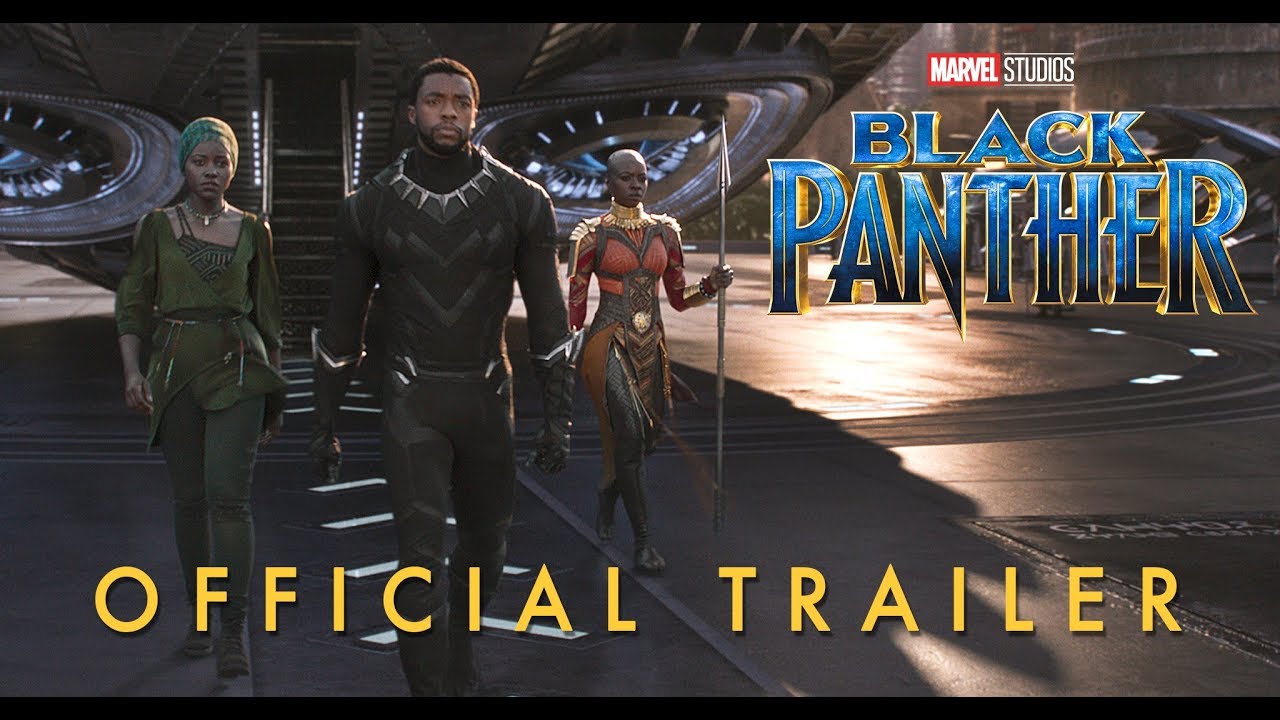
Point Black Panther serves as a landmark case study in how a massive media conglomerate uses vertical integration to dominate the global film market. Evidence The film was produced by Marvel Studios, a subsidiary of the Walt Disney Company, which also acted as the film’s distributor. Theory While Curran and Seaton argue that ownership by a small number of companies limits creativity, this model allowed Marvel to maintain "minimal creative influence" from Disney while leveraging Disney's global distribution power. Analysis This structure allowed a high-budget Afrocentric story to reach a worldwide audience, grossing over $1 billion, with 48% of that revenue coming from non-US territories. Cultural Context By operating within a conglomerate, the film was able to bridge the gap between "prestige" black cinema and the mainstream blockbuster, challenging traditional industry norms. Point Marvel Studios minimizes financial risk by utilizing the "sequel formula" and the established brand loyalty of the Marvel Cinematic Universe (MCU). Evidence Black Panther is the 17th film in the MCU, and the character of T’Challa was previously introduced to audiences in Captain America: Civil War. Theory This aligns with David Hesmondhalgh’s theory of cultural industries, which suggests that conglomerates rely on established franchises and characters to ensure commercial success. Analysis Using a character with 50 years of comic book history provided a "pre-sold" audience, reducing the inherent risk of launching a new standalone superhero. Cultural Context Despite being part of a formulaic franchise, the film’s focus on African culture was seen as a potential commercial risk that ultimately paid off with record-breaking opening weekend sales. Point Disney’s marketing strategy employed a "360-degree consumer experience" to transform the film into a global "cultural event". Evidence The campaign included synergy with brands like Lexus cars, Hasbro toys, and a specialized soundtrack produced by Interscope Records. Theory This reflects Hesmondhalgh’s idea that media conglomerates operate across diverse cultural industries to maximize the visibility of their products. Analysis By showing teaser trailers during NBA games and collaborating with New York Fashion Week, Disney targeted diverse demographics beyond the traditional "fanboy" base. Cultural Context This multi-platform approach helped the film resonate with multicultural households, which research shows are increasingly enthusiastic about diverse cultural content. Point The film utilizes the concept of Afrofuturism to challenge long-standing Western media stereotypes about the African continent. Evidence The fictional nation of Wakanda is depicted as a technologically superior kingdom that achieved its status by avoiding European colonization. Theory This functions as a counter-narrative to the "Victorian branding" of Africa as a "dangerous and barbaric place" often seen in Western news media. Analysis By representing black characters in positions of technological and political power, the film provides essential positive representation that had been missing from the superhero genre. Cultural Context The film's release coincided with the #oscarssowhite movement, tapping into a broader social demand for greater diversity and authentic representation in Hollywood. Point The political and social climate in the United States provided a resonant backdrop for the film's themes of identity and activism. Evidence The film’s marketing harnessed political social media campaigns like #blacklivesmatter to elevate its profile from a simple blockbuster to a cultural movement. Theory This demonstrates how media products are encoded with political meaning that reflects contemporary conflicts, such as the tension between the initiatives of Barack Obama and the rhetoric of Donald Trump. Analysis The use of crowd-funding to buy tickets for under-privileged children further cemented the film’s status as a tool for social empowerment. Cultural Context By releasing the film during Black History Month, the producers aligned the product with a period of national cultural reflection on the African-American experience. Point The regulation and distribution of Black Panther were managed to ensure the widest possible audience reach across global territories. Evidence The film was classified as 12a by the BBFC in the UK and PG-13 in the USA, featuring fantastical violence but no sex or nudity. Theory Regulation bodies often grant lower ratings to "fantastical" combat that is hard to imitate, allowing the film to remain accessible to younger viewers. Analysis Digital convergence played a massive role in circulation, with the trailer viewed 89 million times on YouTube within 24 hours, fueled by "active consumers" sharing reaction videos. Cultural Context This global accessibility allowed the film to pass censorship in stricter markets like China and India, contributing to its massive international financial success. Ownership: Which major media conglomerate owns Marvel Studios, and what role did they play in the film's distribution? Economic Strategy: According to David Hesmondhalgh, how did Marvel use the "sequel formula" to minimize the financial risk of Black Panther? Marketing Synergy: Give two examples of brand association deals Disney used to target audiences who were not typical "superhero fans." Cultural Context: What does the term "Afrofuturism" mean in the context of Wakanda’s representation in the film? Historical Context: How does the portrayal of Wakanda challenge the traditional Western media view of the African continent? Regulation: Why did the BBFC award the film a 12a certificate despite it containing a significant amount of violence? Social Media Impact: How many times was Black Panther tweeted about by mid-March 2018, and what does this suggest about the audience's role? Diversity and Profit: How does the film’s success challenge Curran and Seaton’s theory that media concentration always limits variety and creativity? Glossary of Key Terms 360-Degree Consumer Experience: A marketing strategy that ensures a product is visible across every possible media platform and physical space. Afrofuturism: A cultural movement that combines elements of science fiction, historical fiction, and fantasy to explore the African-American experience. BBFC (British Board of Film Classification): The independent body responsible for age-rating films and videos in the UK. Black History Month: An annual observance in the US and UK for remembrance of important people and events in the history of the African diaspora. Conglomerate: A massive parent company, like Disney, that owns numerous smaller companies across different industries. Cultural Event: A media release that gains such high social significance that it transcends its genre to become a topic of national conversation. Digital Convergence: The process by which different media forms and platforms (like YouTube and smartphones) become interlinked. Diversification: A strategy where a company moves into different commercial areas, such as a film brand expanding into toys or cars. MCU (Marvel Cinematic Universe): The interconnected series of superhero films produced by Marvel Studios. Pre-sold Audience: A group of consumers who are already fans of a franchise or character and are guaranteed to watch a new release. Representation: The way in which media products "construct" specific groups, such as the powerful portrayal of black women in Black Panther. Social Realism: A film genre that focuses on the everyday lives and struggles of the working class, often used in traditional black cinema. Synergy: When two or more branches of a conglomerate work together to promote a single product (e.g., a Marvel film with a Disney-owned TV channel). Teaser Trailer: A short, early promotional video designed to build "buzz" for a film long before its release. Vertical Integration: When a single company owns multiple stages of a product's life, such as Marvel producing a film and Disney distributing it.
- K-pop Demon Hunters
Industry K-pop Demon Hunters reflects the increasing globalisation of media production, blending South Korean pop culture with mainstream international film distribution. The film is designed to appeal to both K-pop fans and wider mass audiences, showing how industries maximise profit through cross-cultural appeal. Its soundtrack is a key industrial strategy, with songs functioning as both narrative elements and marketable products. This synergy between film and music highlights how media industries create multiple revenue streams. The film also demonstrates the importance of branding, with characters constructed in a way similar to real K-pop idols—highly managed and globally marketable. Audience The film targets a broad, youth-oriented demographic, particularly fans of K-pop and action genres. It offers pleasures of escapism, spectacle, and identification. Fans of K-pop may enjoy the insider references to idol culture, while others are drawn in by the action narrative. The dual identity of the characters (idols and demon hunters) allows audiences to engage with themes of pressure, performance, and self-identity. Active audiences may also engage through social media, sharing clips, music, and interpretations, demonstrating audience interactivity and extending the film’s reach beyond the cinema. Representation The film presents a stylised and empowering representation of young performers, particularly women, as skilled, independent, and powerful. However, it also reflects the pressures of image construction and perfection associated with K-pop culture. Identities are constructed through performance, suggesting that what we see is not always “real.” There is also a blend of cultural representation, combining Korean cultural elements with globalised fantasy tropes, raising questions about cultural hybridity and authenticity. Media Language (Steve Neale) Using Steve Neale’s genre theory, the film can be understood as a hybrid genre text, combining action, fantasy, and musical elements. Neale argues that genres rely on repetition and difference—and this is clear here. Familiar genre conventions (fight scenes, heroes vs villains) are repeated, while the K-pop idol framework provides difference, making the film feel fresh. Bright visuals, fast-paced editing, and choreographed combat sequences reflect both music video and action film styles, reinforcing this genre blend. 1. How does the film utilise globalisation and cross-cultural appeal to successfully target a mass audience beyond the traditional K-pop fan base? 2. In what ways do active audiences use social media to create interactivity and extend the film's narrative reach? 3. How does the film manage the tension between providing an empowering representation of independent women and reflecting the rigid image construction associated with K-pop culture? 4. Applying Steve Neale's genre theory, how does the film use repetition and difference to make its hybrid genre blend of action, fantasy, and music feel "fresh" to viewers? 5. How does the dual role of the soundtrack—acting as both a narrative element and a marketable product—demonstrate the industrial strategy of creating multiple revenue streams? 6. To what extent does the film suggest that identity is a performance, and how does this relate to the highly managed branding of real-life K-pop idols? 7. How does the film's use of cultural hybridity (mixing Korean elements with global fantasy tropes) impact the audience's perception of authenticity? 8. How do the genre conventions of choreographed combat and bright visuals reinforce the film’s identity as a hybrid text that appeals to both action fans and music lovers? K-pop Demon Hunters – Check Your Learning Quiz 1. What does globalisation refer to in this film?A. Filming only in one countryB. Blending different cultures to reach international audiencesC. Using only English language dialogueD. Limiting the film to local cinemas 2. How does the film achieve cross-cultural appeal?A. By focusing only on Korean audiencesB. By removing all cultural referencesC. By combining K-pop with global action/fantasy elementsD. By avoiding music 3. The soundtrack is an example of:A. A failed marketing strategyB. A narrative element onlyC. A marketable product onlyD. Both a narrative element and a marketable product 4. Why is branding important in the film?A. It makes the film shorterB. It helps create recognisable and marketable charactersC. It reduces production costsD. It removes the need for a storyline 5. Which of the following is an example of audience pleasure?A. ConfusionB. EscapismC. BoredomD. Silence 6. What is audience interactivity?A. Watching a film onceB. Ignoring mediaC. Engaging with content through social media and sharingD. Turning off the film early 7. What does representation focus on?A. Camera equipmentB. How people and ideas are portrayedC. Ticket pricesD. Film length 8. What is cultural hybridity?A. Keeping cultures completely separateB. Mixing elements from different culturesC. Removing all cultural identityD. Only using Western ideas 9. According to Steve Neale, genres rely on:A. Random ideasB. Repetition and differenceC. No structureD. One fixed formula 10. Why is K-pop Demon Hunters a hybrid genre film?A. It only uses one genreB. It avoids genre conventionsC. It combines action, fantasy, and musicD. It has no clear style Glossary 1. GlobalisationThe process by which media products are created and distributed across international markets, blending cultural influences to reach global audiences. 2. Cross-cultural appealThe ability of a media product to attract audiences from different cultures by combining familiar and diverse elements. 3. Mass audienceA large, broad audience that media producers target to maximise popularity and profit. 4. BrandingThe creation of a recognisable identity (e.g. characters, style, image) that can be marketed and sold to audiences. 5. Narrative elementA part of the story (e.g. music, characters, events) that helps develop the plot or meaning. 6. Marketable productA media element designed to be sold separately (e.g. soundtrack, merchandise) to generate additional revenue. 7. Audience interactivityThe way audiences actively engage with media, often through social media, sharing, or creating content. 8. RepresentationHow people, groups, or ideas are portrayed in media texts. 9. Cultural hybridityThe mixing of elements from different cultures to create something new. 10. Genre conventionsTypical features or elements commonly found in a particular genre (e.g. action scenes in action films). Answer Key B C D B B C B B B C
- UK Tribes - Audience Research
UK Tribes gathers its insights through dedicated online communities known as Core4 and 4Youth. These communities provide a direct line to young people's opinions on a vast array of topics, ranging from high-level societal issues to everyday lifestyle trends. For instance, the platform has published research on mental health, the political landscape, and climate change. It also explores commercial and digital trends, such as the rise of the social media app BeReal, reactions to Christmas television adverts, and "Brand Love Letters" where participants explain their affinity for specific companies. Beyond professional research, UK Tribes functions as a content hub where community members contribute blogs and reviews. These contributions cover personal experiences like being a woman in STEM, reviews of West End theatre productions, and practical advice for university students. By combining data-driven research with authentic community-led content, UK Tribes provides a comprehensive look at what defines youth identity in the UK today
- I, Daniel Blake - Deep Dive
Point I, Daniel Blake is an independent British social realist film that operates outside the traditional Hollywood studio system by prioritizing public interest over commercial gain. Evidence The production was a UK/French co-production that received critical funding from the BFI (via National Lottery Funding) and BBC Films rather than private corporate investors. Theory This funding model demonstrates how Public Service Broadcasting (PSB) remits allow for media products that satisfy "socially diverse" needs rather than just the "logic of profit and power" described by Curran and Seaton. Analysis By relying on non-profit public funding, the film is granted the creative license to address challenging social issues and challenge governmental policy without the pressure to reach "blockbuster" levels of profit. Cultural Context This highlights the importance of institutional support in maintaining a diverse national cinema that reflects the lived experiences of the British public during the era of "austerity". Point The film adheres strictly to the codes and conventions of the social realist genre to create a sense of authenticity and emotional impact. Evidence Directed by Ken Loach, the production utilized a low budget, was filmed on location in Newcastle (e.g., job centres and hospitals), and featured lesser-known actors instead of established stars. Theory This reflects a rejection of mainstream "spectacle" in favor of a "humanist" approach to representation, where the director’s name functions as the primary "star" attraction. Analysis The lack of special effects and the focus on "underrepresented characters" in real-world settings encourages the audience to view the narrative as an "emotional gut punch" and a "protest cry for common humanity". Cultural Context Ken Loach’s status as a social campaigner and his long history in the genre (e.g., Kes) solidify his role as a practitioner who uses cinema as a vehicle for political activism. Point The marketing and distribution of the film were designed to target a niche, media-literate audience while maintaining a significant global presence. Evidence The theatrical poster emphasizes critical acclaim, multiple award wins like the Palme d’Or at Cannes, and positive reviews from "quality" news outlets. Theory This strategy targets a "pre-sold" audience—educated, socially aware viewers who are already fans of Loach’s previous work and possess the "media literacy" to engage with political themes. Analysis By leveraging Loach's established reputation, the marketing minimizes financial risk while positioning the film as a prestigious, "must-watch" event for serious film enthusiasts. Cultural Context Despite its hyper-local focus on Newcastle, the film's success in markets like France, Spain, and Japan—grossing over $8 million—proves that social realism has a powerful international appeal. Point I, Daniel Blake serves as a powerful media text that encodes a clear political message regarding the UK welfare system. Evidence The narrative explicitly criticizes contemporary government policies, such as the Work Capability Assessment, and portrays the struggle of individuals trapped in poverty. Theory This representation functions as a "left-wing" political critique that aims to challenge the dominant justifications for "austerity" measures. Analysis By focusing on the loss of dignity within a rigid bureaucratic system, the film positions the audience to sympathize with those who are traditionally "underrepresented" or marginalized by the state. Cultural Context The film's ability to spark national debate illustrates the power of independent media to act as a "watchdog," holding those in power accountable for the social consequences of their policies. Point While rooted in traditional filmmaking, the circulation of I, Daniel Blake has been shaped by the impact of digital convergence. Evidence The film’s marketing included a dedicated website and the use of the hashtag #idanielblake to foster discussion on Twitter. Theory This reflects a shift toward "active consumers" who seek out trailers and marketing materials online to participate in a wider community of social and political awareness. Analysis However, the producers balanced this with traditional poster campaigns and cinema trailers, acknowledging that their core older demographic might still consume media in more conventional ways. Cultural Context The move from film festivals and theatrical releases to digital downloads and DVD ensured the film's message remained accessible to a global audience long after its initial run. Point The production of this film demonstrates that individual practitioners can significantly influence the variety and health of a media industry. Evidence Ken Loach’s ability to repeatedly secure funding for "unflinching" social realist films has helped the genre exist in its current form in British and global cinema. Theory This challenges the idea that media is always a "mainstream" product, as Loach uses his established position to challenge mainstream opinions. Analysis His unique status allows him to act as an "individual producer" who maintains a variety of creative voices that sit outside the corporate "logic of profit". Cultural Context Ultimately, Loach’s work serves as a "faithful recorder" of his times, ensuring that the stories of the "common man" are not lost in a profit-driven media landscape. Funding Bodies: Which two major UK organizations provided the primary funding for I, Daniel Blake? Genre Conventions: Name three specific elements of "social realism" used in the production of this film. Awards: What prestigious international award did the film win at the Cannes Film Festival? Political Message: What specific contemporary British social issue and government policy does the film explicitly criticize? Target Audience: What are the three main characteristics of the "assumed audience" for this film according to the sources? Economic Strategy: According to Curran and Seaton, how does this film's production challenge the "logic of profit and power"? Marketing: What role did the hashtag #idanielblake play in the film’s distribution strategy? Global Reach: While it was not released in the USA, name three other countries where the film received a theatrical release. Simple Glossary Austerity: A set of economic policies used by governments to reduce public spending, which the film critiques. Independent Film: A film produced outside of the major Hollywood studio system, often with a smaller budget. Intertitles: On-screen text used in trailers to provide information, such as the director’s name or critical reviews. On Location: Filming in real-world settings (like a job centre) rather than on a constructed studio set. Palme d'Or: The highest prize awarded at the Cannes Film Festival, which I, Daniel Blake won in 2016. Pre-sold Audience: A group of fans who are already likely to watch a product because of a director’s or brand's reputation. Public Service Broadcasting (PSB): Media outlets like the BBC that are funded to serve the public interest rather than for profit. Social Realism: A genre of film that focuses on the everyday lives of the working class and addresses social/political issues. Underrepresented Characters: Groups of people who are rarely the main focus of mainstream media stories, such as those in poverty. Work Capability Assessment: A specific government test used to determine if individuals are eligible for disability benefits.