Search Results
Search this site
179 results found with an empty search
- The Sun - Deep Dive
Point The Sun utilizes specific tabloid codes and conventions to simplify complex political and medical issues for its readership. Evidence The front page features a recognizable "red top" masthead in block text alongside the bold, imperative headline "JOIN OUR JABS ARMY." Theory This frames the pandemic through a structuralist lens, using military metaphors like "army" and "fight" to transform a medical story into a common, tangible struggle. Analysis By employing the collective pronoun "our," the newspaper positions itself as a proactive and dynamic force that is leading the country toward a solution. Cultural Context The use of iconic national symbols, such as Big Ben and the Union Flag, connects the vaccination effort to a sense of British pride and collective duty. Point The newspaper constructs a patriotic representation of the vaccination program to motivate its audience during a period of national crisis. Evidence A photoshopped image of Big Ben replaces a clock hand with a syringe, while a heart-shaped "Jabs army" puff mimics a badge of honor. Theory This aligns with Stuart Hall’s representation theory, where signs are encoded to suggest that helping the NHS is an act of "national pride" and generosity. Analysis The syringe pointing toward midnight suggests that "time is of the greatest importance," creating a sense of urgency reflected in the copy's call to act "rapidly." Cultural Context By using intertextual links to Churchill and Nelson in the "Britain Brexpects" headline, the paper aligns current leadership with historical moments of British resilience. Point The Sun targets a C2DE demographic by ensuring its content is highly accessible and emotionally resonant for a "Mainstreamer" audience. Evidence The paper maintains an average reading age of eight years, utilizing bold words, large visuals, and "bitesize" chunks of text. Theory This reflects the use of trusted opinion leaders, such as celebrities Gary Lineker and Kate Garraway, to endorse the campaign through personal, emotive testimony. Analysis These formatting choices make the product easy to "skim and scan," catering to readers who may have weaker literacy skills or who read during a daily commute. Cultural Context Its self-definition as "The People’s Paper" reinforces its role as a relatable, daily relationship for the lower to middle social classes. Point The publication maintains a clear right-wing, pro-Brexit, and pro-Conservative ideology that informs its political reporting. Evidence The masthead includes a positive "off-lead" story showing Boris Johnson with his thumbs up, accompanied by the headline "PM: Britain Brexpects." Theory The newspaper acts as a powerful gatekeeper, explicitly telling its readers how to act with phrases like "Boris ticks all the boxes" or "Stay home." Analysis Positive terms such as "heralded" and "dawn" are used to frame the UK's departure from the EU as a moment of "newfound freedom." Cultural Context This isolationist stance reflects the paper’s history as a figurehead of the Leave campaign during the 2016 referendum. Point Owned by Rupert Murdoch's News Corp, the paper utilizes a strategy of diversification to navigate the financial decline of the print industry. Evidence To boost revenue, the brand has expanded into gambling and lifestyle sectors, such as "Sun Vegas" and "Sun Bets." Theory This supports Curran and Seaton’s theory that media is a commodity driven by "profit and power," where large conglomerates dominate the market. Analysis Because "£1 in every £7" spent on groceries is by a Sun reader, the paper remains an extremely "attractive advertising vehicle" for major brands. Cultural Context As traditional print advertising revenue is "hoovered up" by Google and Facebook, the paper must rely on high-volume digital reach to survive. Point Technological convergence has allowed The Sun to transition from a purely print product into a multi-platform digital brand. Evidence Content is distributed through a dedicated app, social media platforms like TikTok and Snapchat, and free feeds on Apple News. Theory This acknowledges the shift toward an active audience that interprets news according to their own personal values, context, and beliefs. Analysis Reaching 6 million people a day online allows the paper to bypass declining print figures, though it faces fierce competition from rivals like MailOnline. Cultural Context In an era of increasing online disinformation, the paper emphasizes its role as a traditional source for communicating essential public health policy. Ownership: Who is the "media baron" that owns News Corp, the parent company of The Sun? Demographics: What is the specific social class demographic that makes up the majority of The Sun’s print audience? Visual Language: On the January 1, 2021 cover, what iconic British landmark was photoshopped to include a syringe? Language Choices: Why does the paper use the term "army" when referring to the vaccination volunteer force? Political Stance: How does the headline "Britain Brexpects" signal the newspaper’s ideology regarding the UK’s departure from the EU? Accessibility: What is the approximate reading age of The Sun, and how does this reflect its target audience? Economic Strategy: Besides newspaper sales, what are two examples of how The Sun has diversified to increase its revenue? Digital Reach: Which digital platform provides 23% of The Sun’s page views by supplying free content to users? Simple Glossary Advertorial: An advertisement designed to look like a legitimate news article to gain more "weight" and trust from the reader. Direct Address: A technique where the text speaks directly to the reader (e.g., using the word "YOU") to create a personal connection. Diversification: A business strategy of moving into new areas, like betting or apps, to make up for falling print sales. Imperative: A "command" verb used in headlines, such as "JOIN," to encourage the audience to take immediate action. Intertextuality: When one media text makes a reference to another, such as linking Boris Johnson to Winston Churchill. Jingoism: A tone of extreme patriotism or aggressive nationalism, often found in tabloid representations of Britain. Masthead: The large, red-and-white block title at the top of the page that identifies the newspaper. Puff: A graphic or "badge" on the front cover used to grab attention or promote a specific campaign or offer. Red Top: A colloquial term for British tabloids that feature a bold red masthead and focus on sensationalism and celebrities. Standfirst: The introductory paragraph of an article, often printed in bold, that summarizes the story for the reader.
- Assassin's Creed Deep Dive
Point The Assassin’s Creed franchise utilizes a recurring brand identity to establish economic viability in a highly competitive global market. Evidence With 12 main incarnations and sales reaching 155 million units by 2021, the series maintains its presence through a consistent action-adventure, open-world format played from a third-person perspective. Theory This follows David Hesmondhalgh’s theory of cultural industries, which suggests that companies use "genre-formatting" and the "sequel formula" to minimize risk and maximize audience reach. Analysis By relying on audience recognition of the brand, Ubisoft ensures that players have preconceived ideas of what to expect, which drives anticipation for new launches like Assassin’s Creed Valhalla. Cultural Context As video games have seen exponential growth since the 1970s, franchises like this have become major economic events across the three major territories of Japan, Europe, and the USA. Point Rapid technological development has shaped the production and distribution of the franchise, allowing for increasingly complex and immersive gameplay. Evidence The release of Assassin’s Creed III: Liberation for the PS Vita was a strategic attempt to bring high production values to the burgeoning mobile gaming arena. Theory This reflects the impact of technological convergence, where games are distributed across interlinked platforms—such as linking handheld games to consoles—to unlock exclusive content. Analysis The introduction of "cross-generational gaming" and "cross-play" allows data to be transferred between different consoles, encouraging gamers to adopt new habits and purchase additional hardware. Cultural Context The evolution of the industry necessitates constant innovation, leading to the use of advanced CGI and graphics to meet the increasing demand for sophisticated gaming experiences. Point The regulation of video games is a complex global process designed to protect children while harmonizing standards across different territories. Evidence In the UK, the Video Standards Council (VSC) applies the PEGI system, which has given several games in the franchise an 18 rating due to their violent content. Theory Sonia Livingstone and Peter Lunt’s theory of regulation highlights the tension between a consumer-based model and a citizen-based model, especially as digital convergence makes monitoring content more difficult. Analysis Albert Bandura’s media effects theory is often applied here to question whether audiences will imitate the violent behaviors portrayed, especially since the interactive nature of gaming requires players to actively choose to commit these acts. Cultural Context Regulation is becoming increasingly standardized across Europe to protect citizens, yet the fast-paced nature of the industry makes it difficult to monitor the long-term impact on "the gamer". Point The franchise has adapted its narratives and character designs to reflect changing social and cultural expectations regarding gender representation. Evidence Later games have moved away from an assumed male-only audience by introducing female protagonists such as Aveline and Kassandra. Theory This relates to feminist perspectives (like those of bell hooks, as discussed in previous turns) which suggest that media should represent diverse identities to challenge traditional patriarchal structures. Analysis By offering players a choice between male and female characters in Assassin’s Creed Odyssey, producers "construct" a more inclusive audience and allow for different interpretations of the narrative. Cultural Context These adaptations address the historical under-representation of women in video game development and reflect a shift in society’s view of who identifies as a "gamer". Point Ownership by a large multi-national conglomerate like Ubisoft allows the franchise to survive in a market dominated by powerful global players. Evidence Ubisoft is the fifth-largest video game company in the world, now competing for market share against tech giants like Facebook, Google, and Amazon. Theory This ownership structure aligns with Curran and Seaton’s theory (applied in previous turns) that power and profit are maximized through the dominance of large companies that can afford huge financial reserves. Analysis The move toward "fully live service" games, such as the upcoming Assassin’s Creed Infinity, ensures the longevity of the franchise by allowing for continuous updates rather than launching entirely new products. Cultural Context The global video games market was estimated to be worth $138.4 billion in 2021, illustrating its massive financial and cultural significance in the modern world. Point Digital convergence has fostered a participatory culture where the fan community plays an active role in the promotion and development of the brand. Evidence Online fan communities engage with the game across social media platforms, and fans act as individual producers by creating and sharing gameplay videos. Theory Henry Jenkins’ theory of fandom posits that the interactive nature of video games enables fans to construct their own identities through a social, participatory experience. Analysis While this engagement facilitates marketing and circulation, it also presents risks for Ubisoft, such as piracy and the leaking of sensitive game content. Cultural Context The evolution of the internet has allowed video games to offer social experiences and multiplayer options that extend far beyond the core game experience itself. Franchise Growth and Reach: By 2021, how many main incarnations of the game had been released, and what were the total recorded sales units for the franchise since its introduction in 2007? Technological Convergence: How did the release of Assassin’s Creed III: Liberation on the PS Vita attempt to tap into the burgeoning mobile gaming market, and what features of the hardware facilitated this? Industry Theory (Hesmondhalgh): According to David Hesmondhalgh, how does the use of "genre-formatting" and the "sequel formula" help a large publisher like Ubisoft minimize financial risk? Regulation and the VSC: Which organization is currently responsible for regulating video games in the UK, and what is the PEGI system’s primary goal regarding the protection of children across Europe?, Audience Representation: How has the franchise adapted to changing social expectations regarding female protagonists, and what specific characters are cited as examples of this shift? Media Effects (Bandura): Why is Albert Bandura’s theory on the imitation of violence considered particularly relevant—or potentially controversial—when applied to the active role adopted by a player in an 18-rated video game? Participatory Culture (Jenkins): How does Henry Jenkins’ theory of fandom explain the way online communities and "prosumers" (fans who create their own gameplay videos) impact the success and development of a game?, Future Industry Trends: What is the significance of the shift toward a "fully live service" model for the upcoming Assassin’s Creed Infinity, and how does this strategy aim to ensure the longevity of the franchise?
- World Building - Music Marketing
World building is a crucial concept when developing a new music artist or brand, especially for a cross-media brief like this. It goes beyond simply creating a song or a video; it involves constructing a coherent and immersive identity that audiences can recognise, connect with, and invest in across multiple platforms. For a “twenty-something” target audience, this is particularly important because they tend to engage deeply with artists who offer a strong sense of authenticity, lifestyle, and narrative. In the context of this brief, world building means designing a consistent aesthetic and narrative universe that links the music video, website, and Instagram reel into one unified brand. This includes decisions about visual style (such as colour palettes, lighting, costume, and typography), as well as thematic elements like the artist’s values, personality, and the kinds of stories they tell. For example, an indie artist might build a world centred around urban isolation and creative ambition, reflected through muted colours, city locations, and introspective storytelling. This world must feel believable and relevant to a 20–29 audience who may relate to ideas of independence, career pressure, or self-discovery. The music video is often the core of this world. Through its narrative and performance elements, it introduces the artist’s identity and emotional tone. Choices like location, camera work, and mise-en-scène help construct meaning—for instance, a gritty, handheld style might suggest realism and authenticity, while polished, stylised visuals might communicate glamour or escapism. The narrative element also contributes to world building by giving audiences something to interpret and emotionally engage with, helping them feel part of the artist’s story. The website and Instagram reel then expand this world. The website acts as a hub, reinforcing the artist’s image through consistent design and curated images, while also offering insight into their background or journey. Meanwhile, the Instagram reel provides a more “behind-the-scenes” perspective, making the artist feel accessible and real. This balance between constructed image and perceived authenticity is key to engaging modern audiences. Ultimately, effective world building ensures that every element of the production feels connected. Consistent branding—through fonts, colours, and tone—creates a professional, industry-standard package that mirrors real music marketing strategies. By building a distinct and immersive world, the artist becomes more than just a performer; they become a brand with a clear identity that audiences can recognise, follow, and emotionally invest in. What is meant by the term “world building” in music marketing and artist branding? Why is world building important when targeting a 20–29-year-old audience? How can visual elements like colour, costume, and lighting contribute to an artist’s “world”? In what ways does the music video act as the foundation for the artist’s world? How can a narrative in a music video help audiences connect with an artist’s identity? What role does the website play in expanding or reinforcing the artist’s world? How does the Instagram reel contribute to the sense of authenticity within the artist’s brand? Why is consistency (e.g., fonts, colours, themes) important when creating a cross-media music marketing campaign?
- Film Classification in Action
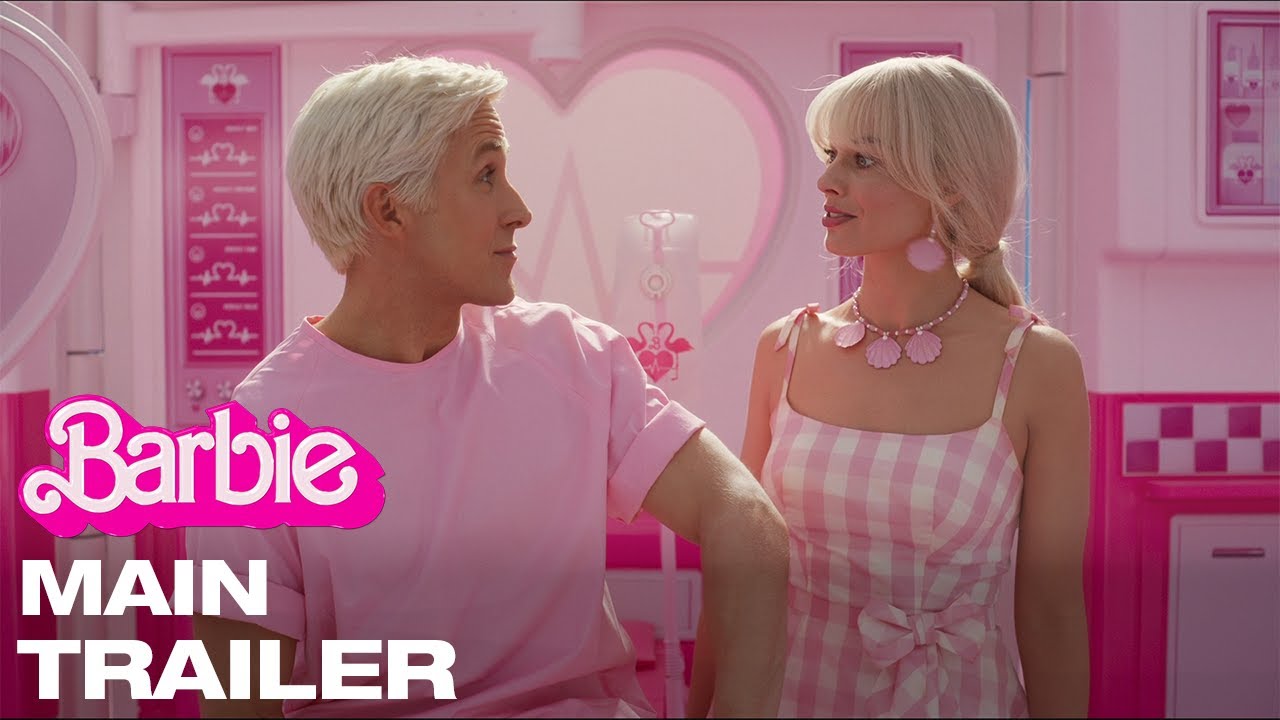
Films in the UK are given age ratings by the BBFC to ensure that audiences are protected from content that may be inappropriate, disturbing, or difficult to understand at certain ages. The main reasons films are certificated include levels of violence, strong language, sexual content, threat, and discriminatory themes. For example, Oppenheimer is rated 15 due to strong language, sexual scenes, and complex themes, while Barbie is a 12A because it contains only moderate innuendo and mild references. Similarly, No Time To Die and The Man with the Golden Gun include action violence and threat typical of the spy genre, but the level of detail determines whether they are rated 12A or lower. In contrast, family films like Sonic the Hedgehog (PG) only include mild violence and comic threat, making them suitable for younger viewers. Another key reason for certification is how realistic or emotionally impactful the content is. Films such as East Is East (15) include domestic violence, strong language, and realistic conflict, which makes them more intense than lighter sequels like West Is West (12A). Likewise, Rocks (12A) deals with teenage hardship and emotional themes, while Blinded by the Light and Bend It Like Beckham include racism and discrimination, but in a way that challenges these ideas. Biographical and documentary films like He Named Me Malala (PG) contain real-world threat but present it in a sensitive and educational way, keeping the rating lower. Other films such as The Devil Wears Prada (PG), The Damned United (15), Allelujah (12A), and Cast Away (12) are classified based on combinations of language, mature themes, and emotional intensity. Even adaptations like Lord of the Flies (PG/12 depending on version) are rated according to their psychological threat and depictions of violence among children. A film like Detective Pelacho, although less widely known, would also be classified using these same criteria. These decisions link to Katz and Blumler’s Uses and Gratifications Theory, which argues that audiences choose media for entertainment, escapism, or information. Certification ensures that audiences can safely access content suited to their needs—for example, younger viewers seeking entertainment from Sonic the Hedgehog, or older audiences engaging with the complex themes of Oppenheimer. Steve Neale’s Genre Theory also plays a role, as films follow genre conventions that audiences expect. Action films like No Time To Die contain violence, while social realism films like Rocks focus on emotional narratives, influencing how they are rated. Finally, Stuart Hall’s Reception Theory highlights that audiences may interpret content differently. The BBFC considers potential preferred and oppositional readings, ensuring that harmful messages (such as discrimination in Bend It Like Beckham) are clearly challenged rather than endorsed. Overall, films are certificated to balance audience protection with creative freedom, using clear guidelines about content while also considering how audiences use, understand, and respond to media. What are the main reasons films are given age certification by the BBFC? Give at least three examples of content factors. Why is Oppenheimer rated 15 while Barbie is rated 12A? Refer to specific types of media content. How does the level of realism affect the classification of films like East Is East compared to West Is West? Using Uses and Gratifications Theory, explain why younger audiences might prefer films like Sonic the Hedgehog. What does Steve Neale mean by genre conventions, and how do these influence the classification of films like No Time To Die? How does the BBFC consider audience interpretation when making decisions? Link your answer to Reception Theory. Give one example of a film from the list that includes discrimination, and explain how it is presented in a way that affects its rating. Why is it important for film classification to balance audience protection with creative freedom? Barbie Rating: 12A Why: Moderate innuendo, brief sexual harassment, implied strong language Notes: Comic violence and satirical themes about gender roles; harassment is clearly condemned. Oppenheimer Rating: 15 Why: Strong language and sex Notes: Also includes themes of violence, discrimination, and suicide, though not graphically shown No Time To Die Rating: 12A Why: Moderate violence, infrequent strong language, threat Notes: Action violence (shootings, injuries), some disturbing bio-weapon effects, mild sex references The Man with the Golden Gun Typical BBFC view: Usually PG (historically) Why: Moderate action violence, mild threat Notes: Older Bond films tend to be rated lower due to less detail and lighter tone. Sonic the Hedgehog Rating: PG Why: Mild violence, threat, rude humour Notes: Action is comic/fantastical; very mild language and slapstick tone. Bend It Like Beckham Rating: 12 Why: Moderate language and sexual references Notes: Includes discriminatory language and themes of racism/identity, but clearly condemns them. Blinded by the Light Typical BBFC view: 12A Why: Moderate language, racism themes Notes: Discrimination is contextual and challenged. East Is East Rating: 15 Why: Strong language, domestic violence, discrimination Notes: Realistic portrayal of family conflict and abuse pushes it above 12. West Is West Rating: 12A Why: Moderate language, mild violence Notes: Softer tone than its predecessor. Rocks Rating: 12A Why: Infrequent strong language, emotional themes Notes: Focus on teenage hardship and responsibility. He Named Me Malala Rating: PG Why: Mild threat, upsetting scenes Notes: Real-world violence referenced but handled sensitively. The Devil Wears Prada Rating: PG Why: Mild language, sex references Notes: Workplace drama with light adult themes. The Damned United Rating: 15 Why: Strong language Notes: Mostly due to frequent swearing rather than violence. Allelujah Rating: 12A Why: Mature themes (death, healthcare), moderate language Notes: Emotional but not graphic. Cast Away Rating: 12 Why: Moderate threat, injury detail Notes: Survival themes and some distressing scenes. Lord of the Flies Rating: PG (modern classification) Why: Mild violence, disturbing themes Notes: Psychological intensity but limited graphic detail. Lord of the Flies Typical BBFC approach: Usually 12–15 depending on version Why: Violence between children, bullying, psychological threat
- BBC Radio 4 Woman's Hour - Deep Dive
Point Woman’s Hour has evolved from its origins as a domestic magazine show into a significant platform for hard-hitting social and political discourse. Evidence Originally featuring segments like "how to hang your husband’s suit" in the 1940s, the program now covers complex topics including abortion, equal pay, and domestic violence. Theory This transition reflects Van Zoonen’s feminist theory, which suggests that gender representations in media are more likely to change and challenge stereotypes when women are the primary producers. Analysis By juxtaposing these serious issues with lighter cultural elements, such as fashion trends or Bridgerton body hair, the program maintains a magazine format that mirrors the multifaceted lives of modern women. Cultural Context This content evolution tracks the historical shift in the UK from the domestic housewife ideal of the 1950s to the professional independence of women in the 21st century. Point As a cornerstone of the BBC, the show’s existence is defined by the unique economic and industrial model of a Public Service Broadcaster (PSB),. Evidence Unlike commercial radio, Woman's Hour is funded by the license fee, which allows it to air daily at 10 am without the pressure to appeal to advertisers through sponsorship,. Theory This challenges Curran and Seaton’s theory that media is always controlled by the "logic of profit and power," as the BBC can prioritize "niche" content over commercial gain,. Analysis Because the program is not driven by profit, it can employ unadorned dialogue and specialized, intellectual vocabulary that might be deemed too risky for a commercial station. Cultural Context The 2022 freeze on the license fee highlights the ongoing political debate regarding the BBC's role as a "pillar of British life" and a trustworthy source in the age of "fake news",. Point Technological convergence has transformed Woman’s Hour from a traditional live broadcast into a globally accessible digital product. Evidence The program utilizes the "walled garden" streaming service BBC Sounds, which offers live broadcasts, audio-on-demand, and dedicated daily podcasts,. Theory This reflects the "Listen without Limits" philosophy, addressing how modern "prosumers" use smartphones and laptops to consume content rather than relying on analogue FM radio,. Analysis The boom in digital consumption—evidenced by 1.3 billion plays on BBC Sounds—allows specialized audiences to "catch up" on specific episodes that match their personal concerns, such as IVF or adult literacy,,. Cultural Context The move from analogue to Digital Audio Broadcasting (DAB) represents a profound shift in how the British public interacts with the BBC as a primary media brand. Point The program’s choice of presenters and guests is a deliberate strategy to reflect and serve the diverse communities of the modern United Kingdom. Evidence The selection of Anita Rani, a familiar television face with expertise in documentaries on global history and culture, addresses the BBC’s remit to represent diverse nations and regions. Theory This aligns with bell hooks’ feminist theory, which argues that media should highlight women from different classes and ethnicities to properly challenge patriarchal structures. Analysis By featuring guests ranging from political figures like Hillary Clinton to stories about growing up in poverty, the show avoids "pigeonholing" its audience as strictly white and middle class,,. Cultural Context The program's commitment to representation sends a positive message to listeners about the BBC’s role in the post-#MeToo era of social awareness. Point Woman’s Hour encourages an interactive relationship with its audience, moving beyond a passive consumption model to a participative discussion. Evidence Audiences engage with the show via Twitter and social media, with their contrasting viewpoints often read out during the live broadcast and Saturday omnibus. Theory This relates to Stuart Hall’s Reception Theory, where listeners—including male audiences—might experience preferred, negotiated, or even oppositional readings of the female-centric content,,. Analysis While the show is specialized, topics like grief or disaster planning offer a female perspective that intentionally invites interest from male listeners to avoid alienation,. Cultural Context The high engagement on digital platforms shows that there is a large, diverse audience for "women’s media" that feels their specific concerns are often underrepresented elsewhere,. Point The program operates under a strict regulatory framework that balances editorial freedom with public responsibility. Evidence Regulated by Ofcom, the BBC also self-regulates its content, as seen when it removed a clip of a hostile interview with Zara Mohammed following 564 audience complaints,. Theory This institutional accountability challenges Livingston and Lunt’s assumption that "new media" platforms are increasingly difficult for traditional bodies to regulate. Analysis The removal of content deemed biased or hostile demonstrates the BBC’s "citizen-based" regulatory model, prioritizing its reputation as an impartial broadcaster,. Cultural Context The confrontational questioning style of modern presenters like Emma Barnett reflects a shift toward harder journalism in radio, contrasting with the show's domestic "housewife" origins,,. Historical Context: How has the thematic focus of Woman’s Hour shifted from its original 1946 broadcast to its contemporary format, and what specific examples illustrate this evolution? Economic Factors: How does the BBC’s license fee funding model allow the program to explore "niche" topics and specialized vocabulary that commercial radio might avoid? Public Service Remit: In what ways does the appointment of Anita Rani as a presenter address the BBC's creative remit to "reflect, represent and serve the diverse communities" of the UK? Technological Convergence: How has the launch of BBC Sounds and the "Listen without Limits" slogan impacted the way "prosumers" and younger audiences consume the program's content? Industry Theory: According to Curran and Seaton, how does the existence of a program like Woman’s Hour challenge the idea that media is always driven by the "logic of profit and power"? Feminist Theory: Using bell hooks’ perspective, how does the show attempt to move beyond the stereotype of Radio 4 as a "white and middle class" station? Audience Reception: Applying Stuart Hall’s Reception Theory, why might a male listener have a "negotiated" or "oppositional" reading of the show’s female-centric content? Media Regulation: What does the BBC's decision to remove the Zara Mohammed interview clip following 564 complaints demonstrate about its "citizen-based" model of self-regulation? · Analogue FM Radio: The traditional method of transmitting radio signals that is gradually being replaced by digital formats. · Audio-on-demand: Audio content that can be accessed and played by the listener at any time of their choosing, rather than at a set broadcast time. · BBC Sounds: A "walled garden" streaming service launched in 2018 that integrates live broadcasting, audio-on-demand, and podcasts on digital devices like smartphones and laptops. · Broadcast: The distribution of audio content to a wide audience via electronic media, such as the daily 10 am airing of Woman's Hour. · Commercial Radio: Radio stations that are funded primarily through advertising and sponsorship, which often pressures them to appeal to a mass audience rather than niche groups. · Digital Audio Broadcasting (DAB): A digital radio technology that has brought about profound changes in the industry by offering more efficient distribution than analogue FM. · Downloads: Digital audio files that listeners transfer from the internet to their devices to listen to at a later time. · Magazine Programme: A radio format that features a variety of diverse segments and stories, ranging from hard-hitting social issues to lighter lifestyle features. · Omnibus Edition: A compilation broadcast, such as the one aired on Saturday afternoons at 4 pm, which brings together highlights or full segments from the week. · Podcast: A digital audio series that audiences can subscribe to and download, allowing for "catch-up" listening on specific topics of interest. · Public Service Broadcaster (PSB): A media organization like the BBC that is funded by the public (via the license fee) and has a specific remit to inform, educate, and entertain. · RAJAR: The official body that provides the standard for measuring radio audiences in the United Kingdom. · Streaming: The process of listening to audio content in real-time over the internet, which saw close to 1.3 billion plays on BBC Sounds in 2020/21. · Technological Convergence: The coming together of different media platforms, such as radio content being made available on smartphones and tablets through apps like BBC Sounds. · Unadorned Dialogue: A style of radio production that consists of spoken word and intellectual discussion without the use of background music or sound effects. · Watershed: The specific time of day after which content that may be unsuitable for children can be broadcast; the BBC follows strict guidelines regarding this for both TV and radio
- Newspapers - The Big Picture
The British newspaper industry is defined by a clear distinction between broadsheets and tabloids, which differ in physical format, content style, and target audience. Broadsheets vs. Tabloids Broadsheets, such as The Times and The Guardian, are traditionally larger (approximately 22" x 30") and are known for a serious tone and in-depth news coverage. They focus on detailed reporting and comprehensive analysis of global and national issues, appealing to affluent, educated readers seeking critical analysis. Tabloids, such as The Sun and The Daily Mirror, use a smaller, compact format (approximately 11" x 17"). They are characterized by bold headlines, sensationalist reporting, and a focus on entertainment and celebrity gossip. Tabloids are designed to be easily digestible and visually appealing, often catering to a working-class audience using simpler language and "soft news". Political Allegiances and Ownership The political leanings of UK newspapers are closely tied to their ownership structures, which significantly influence editorial content. Right-leaning / Conservative: Publications like The Sun and The Times (owned by Rupert Murdoch’s News Corp) and The Daily Mail (owned by DMGT) typically advocate for traditional values, free-market economics, and strong national security. Left-leaning / Labour: The Daily Mirror (owned by Reach plc) promotes progressive social policies and workers' rights. Liberal / Progressive: The Guardian (owned by The Guardian Media Group) is known for supporting social justice and progressive political causes. Front Cover Glossary The front cover serves as the primary point of contact with the audience and follows specific design conventions: Masthead: The section at the top that displays the newspaper's name in a distinctive typeface or font. Headline: Large, bold text designed to grab attention and summarize the main story. Lead Story: The most significant news item, prominently positioned at the top of the page. Image: A photograph or illustration used to attract interest and complement the lead story. Caption: Brief text accompanying an image that provides context or a description. White Space: Areas left empty to prevent visual clutter and improve overall readability
- Statement of Aims 2026
Introduction I am producing a music video and cross-media website for Etienne, a French EDM artist. Following the 2026 music marketing brief, the artist is signed to the independent UK label XL Recordings. The campaign targets Generation Z "Explorers" (aged 20–29) with the core aim of taking European EDM into the international mainstream. 1. Media Language & Genre Conventions The music video utilizes technical codes inspired by contemporary artists like Kungs and Purple Disco Machine, employing wide shots of festival crowds and dynamic close-ups of Etienne behind the decks to reinforce his professional status. I will use high-contrast neon lighting to anchor the synth-heavy track and an 80s-inspired mise-en-scene to create a distinct retro-futuristic aesthetic. The narrative incorporates a sci-fi storyline and standard lip-syncing conventions. The website layout features a clear toolbar and five original images, including an "In the Studio" page to provide artist authenticity through professional visual branding. 2. Constructing Representations I am constructing a representation of Etienne as a sophisticated European tastemaker from Nice, France. Visual signifiers like stylish Riviera-inspired clothing and confident body language will establish his identity within the Côte d’Azur club culture. To maximize mainstream appeal, the production will employ standard EDM stereotypes, including the dominant male DJ and energetic female dancers. While these portrayals lean into Ibiza/Tomorrowland clichés and the traditional objectification of women, they are essential for industry placement. I will also challenge dominant ideologies by using a complex sci-fi persona to elevate the artist's brand. 3. Targeting the Audience The campaign targets Generation Z "twenty-somethings" who are characterized as "Explorers"—individuals who actively seek new experiences and enjoy creative challenges. I will engage this demographic through a cryptic sci-fi narrative in the video that creates an enigma for the viewer. On the website, 30–45 seconds of original AV material will satisfy the audience's preference for fast-paced, high-quality digital content. The 200-word biography uses a first-person mode of address to foster a sense of authenticity and personal connection. This approach directly appeals to the target's disposable income and interest in global festival culture. 4. Industry Context This project mimics the professional media landscape by positioning Etienne on XL Recordings, the same label as established alternative acts like The Temper Trap and The Avalanches. I will ensure high production values across both products to maintain mainstream appeal and compete with real-world releases from major divisions. By adhering to conventional EDM genre codes—such as "featuring" vocalists and polished festival visuals—I am establishing Etienne as a commercially viable artist ready for the global market. This strategic industry placement allows the fictional artist to appear established and credible to the target audience. 5. Digital Convergence My cross-media production demonstrates digital convergence by maintaining a consistent visual brand across all platforms. I will use identical retro-futuristic color schemes, logos, and artist personas in both the video and the website so they "look and feel like the same media products". The website serves as a hub for synergy, integrating links to TikTok, Instagram, and YouTube to reach the target Gen Z demographic where they are most active. By including a tour diary and merchandise store on the site, I am creating a unified digital experience that maximizes artist visibility and audience engagement.
- Music Promotion - Web Design 2027
Overall, the webpage fits the NEA brief well as a music marketing product for a new electronic artist, positioned like a professionally signed act similar to labels such as XL Recordings. The aesthetic, content structure, and use of media all combine to create a convincing promotional platform, which is the core requirement of the task. The psychedelic, underground club-inspired visuals and tone clearly establish a hybrid electronic/experimental dance genre, which is appropriate for the target audience of 20–29-year-olds who engage with club culture, streaming platforms, and social media discovery. The homepage structure is effective and shows strong alignment with the brief. It includes a navigation bar (Home, Biography, Tour Diary, Merch) , a hero image and branding , an embedded music video section , a ~200-word biography , an Instagram reel-style promotional section , and social media links (Instagram, YouTube, SoundCloud, X) . Together, these elements successfully replicate a real music artist website and demonstrate effective cross-platform marketing and branding. The biography section is particularly strong and clearly meets the requirement, constructing a narrative of an underground bedroom producer evolving into a more established experimental artist. This helps build a convincing artist identity and reflects media theory around persona construction and branding. However, some key elements are only partially met or missing. The brief requires a second page (e.g. tour diary or extended biography page) , which has not been fully developed, meaning the site is still only a single-page structure. The requirement for at least five original images is also not fully met, as the current visuals are limited and not clearly developed into five distinct original assets. To fully meet the brief, this would need a wider range of promotional images such as live performance shots, studio images, tour posters, and merchandise mock-ups. There is also limited interactivity, as while navigation exists, it does not function as a full multi-page website. The Instagram reel concept (30–45 seconds promotional content) is effectively represented through the behind-the-scenes studio idea, which fits the brief well. However, the 3–3:30 minute music video requirement is not fully completed, as only a placeholder embed is included rather than a full produced video. Overall, the project is a strong foundation for a Level 4 NEA submission, particularly in its branding, audience targeting, homepage structure, and media integration . To achieve the highest marks, it needs further development in original imagery, full multi-page structure, and completion of the music video task . What is the main purpose of the music marketing website in relation to the NEA brief? How does the homepage structure (navigation, hero image, biography, etc.) help to meet industry conventions? Why is the biography section important for constructing an artist identity and brand? How does the visual style (e.g. underground / psychedelic aesthetic) connect to the target audience? What are the required elements for the website in terms of pages and how do they support user experience? Why are original images important in a music marketing website, and how do they contribute to realism? What are the key differences between the Instagram reel and the main music video in terms of purpose and audience engagement? In what ways does the completed project demonstrate cross-platform marketing and media convergence? Homepage – The main landing page of a website. For this brief, it acts as the central hub for the artist’s branding, navigation, and promotional content. Navigation Bar – A menu system (e.g. Home, Biography, Tour Diary, Merch) that allows users to move between different sections or pages of the site. Hero Image – A large, high-impact visual at the top of a webpage used to immediately establish branding and tone. Artist Branding – The consistent visual and textual identity of the artist (colour scheme, typography, imagery, tone) used across the website and media products. Target Audience – The specific group the product is aimed at (here, 20–29-year-olds interested in electronic music, nightlife, and streaming culture). Biography Section – A written profile (approx. 200 words in the brief) that constructs the artist’s identity, background, and musical style. Media Convergence – The integration of different media platforms (website, Instagram, YouTube, SoundCloud) to promote and distribute content. Cross-Platform Marketing – Using multiple platforms together to build audience engagement and reinforce the artist’s brand identity. Embedded Media – Video or audio content placed directly into a webpage (e.g. music video embed). Social Media Integration – Linking external platforms (Instagram, X, YouTube) to extend audience reach and engagement. Original Images – Self-produced visuals used in the website (e.g. photoshoots, posters, merchandise mock-ups) to enhance authenticity. Music Video (3–3:30 minutes) – A key NEA production element combining narrative, performance, and visual style to promote the artist and track. Instagram Reel (30–45 seconds) – Short-form promotional content designed to feel authentic and informal, often used for behind-the-scenes marketing. Web Design Layout – The structure and arrangement of elements on a webpage to ensure clarity, usability, and visual appeal. Multi-Page Website – A site that includes multiple linked pages (e.g. Homepage, Biography, Tour Diary), improving navigation and realism. User Experience (UX) – How easy and enjoyable the website is to navigate and interact with, including layout, structure, and responsiveness. Visual Identity – The consistent use of colour, typography, imagery, and style to create a recognisable brand. Genre Representation – How the website communicates the music style (e.g. electronic/experimental) through visuals, tone, and content.
- British Multicultural Cinema
Since the 1970s, British multicultural cinema has emerged as a vital medium for reflecting and shaping the nation's evolving identity, offering a sophisticated exploration of the experiences of ethnic minority communities. These filmic texts frequently delve into profound themes of identity, integration, generational conflict, and the preservation of cultural heritage . Landmark early works, including Babylon (1980) and My Beautiful Laundrette (1985), were instrumental in addressing the harsh realities of systemic racism and police hostility , set against the backdrop of significant socio-political unrest. This era was characterized by the rise of the National Front , a far-right political entity formed in 1967 that exploited economic anxieties and public concerns over immigration following the 1948 British Nationality Act . The transition into the late 1990s and early 2000s marked a shift towards narratives that blended humour with social realism to examine the nuances of domestic cultural clashes. East Is East (1999) illustrates the dissonance between a patriarch’s insistence on traditional Pakistani customs and his children’s desire for Western assimilation in 1970s Salford. This exploration of cultural identity is furthered in Bend It Like Beckham (2002), which critiques gender constraints within the Sikh community while redefining concepts of "Britishness" through mainstream icons like David Beckham. Such films underscore the importance of religious literacy, clarifying the distinctions between Islam and Sikhism while highlighting their shared emphasis on family and communal loyalty. In the modern era, multicultural cinema has embraced naturalistic, documentary- style techniques to present authentic portraits of contemporary life. Blinded by the Light (2019) portrays the intersection of art and identity during the racial tensions of 1980s Luton, while Rocks (2020) offers a moving depiction of resilience and sisterhood within London’s Black British community. Collectively, these films challenge reductive stereotypes and amplify marginalized voices, contributing to a more nuanced national conversation regarding diversity and inclusion . By chronicling these diverse stories, British cinema remains a powerful vehicle for narratives that resonate across cultural and generational boundaries. Historical and Political Context: How did the rise of the National Front in the 1970s and the subsequent social unrest influence the narrative focus of early multicultural films like Babylon (1980)? Generational Dissonance: In films such as East Is East (1999) and Bend It Like Beckham (2002), how is the conflict between traditional Eastern values and the Western cultural assimilation of British-born children portrayed? The Role of Cultural Icons: Analyze how public figures, such as Bruce Springsteen in Blinded by the Light (2019) or David Beckham in Bend It Like Beckham , serve as symbols that allow protagonists to navigate and redefine their own identities. Intersectional Challenges: How does Bend It Like Beckham explore the specific challenges faced by women of color, particularly at the intersection of gender expectations within their community and racial stereotypes in broader British society? Religious Literacy: What are the key distinctions the sources identify between Islam and Sikhism , particularly regarding their places of worship and significant symbols of faith? Evolution of Filmic Style: Compare the use of humor and social realism in East Is East with the naturalistic, documentary-style approach used in Rocks (2020) to depict the experiences of ethnic minority communities. Social Realism and Thatcherism: In what ways did films like My Beautiful Laundrette (1985) use romantic and social narratives to critique the socio-political environment of Thatcher-era Britain ? Redefining Family: How does the modern film Rocks challenge traditional depictions of the immigrant family unit by emphasizing the importance of "chosen family" and community resilience ? East Is East (1999): Set in 1970s Salford, this comedy-drama examines the cultural dissonance within a mixed-race family. It focuses on the conflict between a traditional Pakistani patriarch, who insists on preserving customs like arranged marriages, and his British-born children who seek to navigate their own identities. Bend It Like Beckham (2002): This film follows Jess Bhamra, a teenage Sikh girl who must balance her aspirations of becoming a professional footballer with the traditional gender and cultural expectations of her family. It explores the fluid nature of "Britishness" and the intersectional challenges faced by women of color. Blinded by the Light (2019): Set in 1987 Luton, the narrative follows Javed Khan, a British-Pakistani teenager who utilizes the music of Bruce Springsteen to find his voice amidst economic hardship and racial intolerance. The film highlights the transformative power of art in the search for personal identity. Rocks (2020): A contemporary coming-of-age drama that employs a naturalistic, documentary-style approach to portray the lives of Black British girls in modern London. The story focuses on Shola "Rocks" Omotoso, whose resilience and "chosen family" of friends support her after she is abandoned by her mother
- The Guardian - Deep Dive
Point The Guardian utilizes a combination of serious news values and lifestyle-focused media language to appeal to its well-educated and affluent readership. Evidence The front page features factual, focused headlines alongside a prominent skyline promoting the G2 supplement, which includes features on office culture and the intersection of art and wine. Theory This reflects structuralism, where the newspaper balances "hard news" with "soft news" supplements to satisfy the diverse expectations of its 86% ABC1 audience. Analysis By integrating lighter lifestyle elements with serious reporting, the paper positions itself as a comprehensive brand for a digitally-savvy audience rather than just a traditional news provider. Cultural Context This design acknowledges the changing consumer needs of its audience, who value high-brow cultural content as a core part of their collective liberal identity. Point The publication constructs a highly unflattering representation of Boris Johnson to question his authority and capability during the "Partygate" scandal. Evidence A dominant long shot shows the Prime Minister jogging in a beanie hat, woollen jumper, and "clownish" fish-patterned shorts, which is described as an entirely unstatesmanlike image. Theory This aligns with Stuart Hall's theory of representation, where specific signs and images are selected and combined to encode a preferred meaning for a liberal, anti-Johnson audience. Analysis The contrast between the serious role of a Prime Minister and this "unsportsmanlike" appearance mediates Johnson as inept and lacking the composure required for high office. Cultural Context This representation resonates with the political context of the time, mirroring public shock over government leaders breaking the same lockdown rules they enforced on the people. Point The newspaper utilizes factual but emotionally charged headlines to frame the Conservative government as fundamentally dishonest and amoral. Evidence Headlines such as "Cummings accuses PM of lying" and "Inquiry launched into Mone over ‘VIP lane’ deal" use dramatic terms like "accuses" and "lying" to highlight political scandals. Theory According to narrative theory, these headlines function as enigma codes that tease the reader to investigate a political "spat" while establishing a broader narrative of Conservative dishonour. Analysis By focusing on accusations of lying, the paper emphasizes the significance of the ministerial code and the expectation that leaders must abide by the rules they pass in parliament. Cultural Context This framing occurs against the backdrop of the COVID-19 pandemic, where the public was legally prohibited from social mixing while government "parties" reportedly took place. Point The Guardian creates a strong collective identity with its audience through its choice of inclusive coverlines and language. Evidence The coverline "What we miss about working in the office" employs the collective pronoun "we," while the Ukraine story uses the term "UK" to imply shared national interest. Theory This reflects Gerbner’s cultivation theory, where the repeated use of inclusive address shapes a shared worldview among its predominantly middle-aged and professional readership. Analysis By addressing its readers as office workers, the paper reinforces a sense of community among white-collar professionals who navigated the "work from home" culture of the pandemic. Cultural Context The paper targets a "mainstream left" audience that, while not necessarily affiliated with a specific party, shares deep-rooted liberal and progressive traditions. Point The newspaper’s unique ownership structure allows it to maintain a degree of journalistic independence and core principles not seen in shareholder-owned papers. Evidence Unlike most other national publications, The Guardian is not owned by a group of shareholders for whom making a profit is the primary imperative. Theory This contrasts with Curran and Seaton's theory on power and media industries, as the paper is not driven by the same corporate conglomerate interests that might limit journalistic freedom. Analysis This economic independence enables the paper to be more overtly critical of power and to maintain its core principles of holding the government to account. Cultural Context In an industry often dominated by right-wing press conglomerates, The Guardian positions itself as a distinct voice that prioritizes responsible journalism over global power. Point The paper has successfully adapted its traditional broadsheet identity to a modern tabloid format and a globally conscious digital presence. Evidence Originally a broadsheet, the paper moved to a tabloid format for cost reasons and changing consumer needs while reaching over 100,000 daily print readers. Theory This shift reflects the "End of Audience" theory as the paper must provide "inclusive" content that appeals to active, digitally-savvy readers across multiple platforms. Analysis The omission of specific Conservative ministers' names in the Ukraine story suggests the paper expects its audience to support collective national action over government-specific defense policies. Cultural Context By adapting its format and embracing digital-savvy demographics, The Guardian ensures its longevity as a key liberal "news provider of the year" in the UK media landscape. 1. Audience Demographics: According to the source, what is the specific socioeconomic profile of The Guardian’s readership, and what is the average age of a print reader? 2. Ownership and Independence: How does The Guardian's ownership structure differ from most other national newspapers, and what impact does this have on its journalistic principles? 3. Media Language (Visuals): How does the long shot of Boris Johnson jogging—specifically his clothing and appearance—convey a specific message about his authority and capability? 4. Headline Analysis: What dramatic terms are used in the main headline regarding Dominic Cummings, and how do they frame the relationship between the Prime Minister and the ministerial code? 5. Audience Engagement (Identity): How does the coverline "What we miss about working in the office" use inclusive language to create a collective identity for its readers? 6. Product Format: Why did The Guardian transition from a traditional broadsheet format to its current tabloid format? 7. Mediation of Politics: In what way does the paper’s coverage of the "VIP lane" inquiry involving Michelle Mone reinforce the paper's broader representation of the Conservative Party? 8. Contextual Representation: How does the newspaper use inclusive language like "UK" in the Ukraine story whileomitting the names of specific Conservative ministers? ABC1 Demographic : A socioeconomic classification referring to the middle and upper classes. Example : 86% of The Guardian’s audience belongs to this affluent, well-educated group. Anchorage : The use of text to "fix" or stabilize the meaning of an image. Example : The caption identifying "Dilyn" the dog and the location "St James’s Park" anchors the image of Boris Johnson jogging. · Coverline : Brief text on the front cover that highlights features inside the paper or its supplements. Example : The coverline "What we miss about working in the office" targets the paper's core audience of professional workers. · Inclusivity : The use of language that aims to involve the reader in a shared experience or identity. Example : Using the collective pronoun "we" in lifestyle features or "UK" in international news to imply a shared national interest. · Long Shot : A camera or photographic framing that shows the subject from a distance, revealing their full body and surroundings. Example : The dominant image of Boris Johnson is a long shot that emphasizes his "clownish" attire, such as his fish-patterned shorts. · Mainstream Left : A political position that leans toward liberal, progressive values without necessarily being tied to a specific party. Example : The Guardian is described as having mainstream left values , which informs its critical representation of right-wing politicians. Mediation : The process of selecting and shaping information to represent a particular version of reality. Example : The paper mediates the "Partygate" scandal by focusing on accusations of "lying" to frame the government as amoral. · Skyline : A horizontal strip across the top of the front page used to promote supplements or specific features. Example : The G2 supplement skyline offers lighter cultural content, such as "art and wine," to balance the hard-hitting political news. · Supplement : A separate section or magazine included with the main newspaper. Example : G2 is The Guardian’s regular supplement that focuses on lifestyle, office culture, and entertainment. Tabloid Format : A smaller newspaper size that was traditionally associated with popular press but is now used by broadsheets for cost efficiency. Example : The Guardian changed to a tabloid format due to changing consumer needs and cost reasons.
- The Times - Deep Dive
Point The Times utilizes the media language of a traditional "quality" broadsheet to establish an authoritative and credible tone. Evidence The front page features a bold, recognizable masthead with a heraldic crest depicting a lion and a unicorn, alongside the formal slogan "Dieu et Mon Droit." Theory This design aligns with structuralism as described by Levi-Strauss, where typical codes and conventions are used to fulfill the audience's expectation of a serious, text-led newspaper. Analysis The choice of strong typography and traditional symbols suggests a sense of longevity and historical importance, signaling to the reader that the paper reflects the established values of the nation. Cultural Context Established in 1785, the publication positions itself as a "faithful recorder of the times" and a "premium British brand" that is an essential part of the UK’s cultural heritage. Point The newspaper constructs a subtly negative representation of Boris Johnson regarding the "Partygate" scandal through careful selection and combination. Evidence The central image is a close-up photograph of the Prime Minister showing an expression of "trepidation," which is anchored by informative headlines and pull quotes regarding "failures of leadership." Theory According to Stuart Hall’s theory of representation, these signs are encoded by the producer to be decoded by the audience, subtly directing blame without using the dramatic language of a tabloid. Analysis By choosing to mention "four" parties and a "drinking culture," the paper provides implicit criticism that suggests the Prime Minister has serious questions to answer as he heads to the Commons. Cultural Context Because this story cut across political divides and shocked both Conservative and Labour supporters, The Times acted as an opinion leader by reflecting the broader social reaction to the government's transgressions. Point The Times targets a high-socioeconomic demographic that possesses the cultural capital to engage with detailed, complex political reporting. Evidence ABC data indicates the target audience is predominantly ABC1, over 35, and well-educated, with an interest in both national and global affairs. Theory This relates to Gerbner’s Cultivation Theory, which suggests that the paper's repeated patterns of informative and serious reporting help shape the worldview of its middle-class readership. Analysis The use of formal language and compact, detailed text—without the subheadings typically used to break up stories for easier reading—assumes a reader who is comfortable with deep analysis. Cultural Context The newspaper balances "hard news" with "soft news" via its lifestyle supplement, Times2 , which broadens its appeal while maintaining the high-brow interests of its demographic. Point Despite a right-wing allegiance, The Times adopts a more neutral political stance compared to the explicit bias found in the tabloid press. Evidence The paper employs journalists with varied political viewpoints and maintained a neutral position during the Brexit debate to cater to both "Remainers" and "Leavers." Theory In terms of structuralism, the resolution of binary oppositions—such as conflicting political views—is often deferred to the "Times Verdict" or editorial pieces where the paper’s stance becomes more explicit. Analysis The informative headline "Police investigate PM’s four lockdown parties" avoids the emotive "enigmas" of tabloids, instead positioning the audience to make their own decision based on facts. Cultural Context As a "quality" publication, the paper values being seen as authoritative and responsible, which is why it often implicitly favors the government while remaining open to diverse perspectives. Point Ownership by a powerful media conglomerate like News Corp protects The Times from the economic risks of a declining print market. Evidence The paper is a subsidiary of News UK, which is wholly owned by Rupert Murdoch’s News Corp, a company with vast interests in newspapers and publishing. Theory This ownership structure reflects Curran and Seaton’s theory on power and media industries, where a small number of large companies dominate the market to maximize profit and minimize risk. Analysis Horizontal integration allows the paper to benefit from shared resources with titles like The Sun , while the introduction of paywalls helps generate income as traditional print sales fall. Cultural Context The industry operates under the regulatory framework of IPSO, an independent body funded by the industry that aims to maintain standards following the phone-hacking scandal. Point Technological convergence has allowed The Times to transition into an interactive digital brand that meets the changing consumption habits of its audience. Evidence The company launched a combined digital website updated three times a day and introduced Times Radio in 2020 to boost digital subscriptions. Theory This shift aligns with Clay Shirky’s "End of Audience" theory, as digital platforms enable "prosumers" to interact with the community by commenting on stories. Analysis By moving to an edition-based format rather than a rolling news feed, the paper mirrors the print experience favored by its traditional readers while adapting to modern technology. Cultural Context Embracing digital expansion is a strategic move to ensure the brand's global reach and longevity among younger audiences who prefer accessing news on digital platforms. Ownership and Conglomerate Power: Who is the parent company of The Times, and how does its membership in a large media conglomerate like News Corp provide it with financial protection in a declining print market? Political Stance: How does The Times’ political allegiance differ from that of the tabloid press, and why is it described as having a more "neutral and balanced" stance despite its generally right-wing tendencies? Target Audience: What is the specific ABC1 demographic targeted by The Times, and how does the newspaper’s use of detailed, compact text without subheadings reflect the "cultural capital" of its readership? Media Language and Branding: What do the lion and unicorn heraldic crest and the slogan "Dieu et Mon Droit" signify about the newspaper's identity and its intended role in British cultural heritage? Representation of Partygate: In the February 1, 2022 edition, how did the newspaper use "implicit criticism" rather than the dramatic language of tabloids to represent Boris Johnson’s role in the lockdown parties? Structuralism (Levi-Strauss): How does the newspaper use binary oppositions on its front page, and where are these conflicts typically resolved to reveal the paper's actual political ideology? Digital Convergence and Paywalls: Why did The Times move to an edition-based digital format updated three times a day, and what was the economic reasoning behind being one of the first UK papers to introduce a paywall? The "End of Audience" (Clay Shirky): According to Shirky's theory, how has the transition from passive consumption to a "prosumer" model allowed The Times readers to interact with the newspaper’s community? Glossary · Anchoring : The process where written text (like a headline or caption) fixes the meaning of an image. Example : The pull quotes from the Sue Gray report placed over a black background function as an anchor for the central image of Boris Johnson. Heraldic Crest : A traditional logo featuring symbols of monarchy or history. Example : The lion and the unicorn crest and the slogan "Dieu et Mon Droit" (God and My Right) used in the masthead to signify traditional values and longevity. Jump Lines : Brief text at the bottom of a story or in an index that directs the reader to a page inside the paper. Example : The "In the News" section and "The Times Verdict" both use jump lines to link the front-page summaries to full analysis on inner pages. Masthead : The name of the newspaper displayed in a specific typography at the top of the front page. Example : The Times uses a bold, recognizable masthead placed between the heraldic crest, signaling its status as a "quality" broadsheet. Plug : An advertisement or graphic on the front page used to promote content inside the paper, often for a supplement. Example : The top of the page features a plug for the lifestyle supplement times2 , featuring a "lighter" story about a puppy to broaden the paper's appeal.
- The Mirror - Deep Dive
EDUQAS - PDF Mastering Media Case Study Evidence The front page employs a bold "red top" masthead along with the emotive headline "Zero shame" and the negative strapline "Gray report fallout". Theory This draws on structuralism and the use of recognizable signs, such as typography and color, to encode specific tabloid meanings for the audience. Analysis The image-led layout features a dominant photo of Boris Johnson anchored by the caption "I’M NOT GOING," which portrays the Prime Minister as unconcerned and failing to take responsibility. Cultural Context By incorporating the slogan "Heart of Britain," the publication asserts its role as a defender of the ordinary person within UK social and cultural life. Point The publication constructs a negative representation of the Conservative government by utilizing binary oppositions. Evidence The front page labels Boris Johnson as "shameless" while describing Labour leader Keir Starmer’s performance as "Crushing". Theory This aligns with Stuart Hall’s theory of representation, which suggests that stereotypes and selective imaging are used to convey a specific political agenda. Analysis The selection of an image showing the Prime Minister smirking is juxtaposed with a hospital ward to highlight the inequality between the "Rule Breaker" and those suffering under lockdown. Cultural Context This mediation reinforces the social theme of "us VS them," suggesting the government felt they did not have to abide by the rules they set for the public. Point The Mirror targets a specific demographic by ensuring its news values and story selection resonate with its core readership. Evidence ABC data indicates the target audience is predominantly C2DE, over 35 years old, and composed of working-class Labour supporters. Theory This relates to Gerbner’s Cultivation Theory, which suggests that repeated patterns of representation shape the audience's worldview over time. Analysis The mode of address is direct and uses colloquialisms like "cops" and "lockdown bashes" to create a sense of community with its readers. Cultural Context The paper personalizes the political scandal by including "tragic Covid-19 stories" from ordinary people to build deep emotional engagement. Point As a product of Reach plc, the newspaper utilizes horizontal integration to navigate the economic pressures of a declining print market. Evidence Reach plc owns over 130 national and local brands, providing a safety net as the paper's print sales fell by 9% in early 2022. Theory This follows Curran and Seaton’s theory on power and media industries, which notes that concentrated ownership is often used to maximize profit and minimize risk. Analysis The company maintains its market position by diversifying into regional news, allowing the Mirror to remain a "lone voice" of the left in a mostly right-wing press. Cultural Context The industry operates within a regulatory framework through IPSO, which manages press standards while balancing the need for press freedom. Point Technological convergence has transformed the newspaper into an interactive digital platform that reaches a large global audience. Evidence The paper launched "Mirror Online," which became the UK’s number one website in May 2021 with 32 million monthly readers. Theory This reflects Clay Shirky’s "End of Audience" theory, which posits that digital tools have enabled the rise of the "prosumer" who can "speak back" to media. Analysis Features like "bitesize" news chunks and comment sections allow readers to interact with stories, moving them from passive consumers to active participants. Cultural Context This digital shift is essential for the brand’s longevity as it adapts to new technologies and attempts to appeal to younger, tech-savvy audiences. Point The Daily Mirror functions as a political "opinion leader" that consistently supports the Labour Party and its social policies. Evidence The publication has been openly critical of the Conservative government’s handling of the pandemic and supported campaigns like Marcus Rashford’s fight for hungry children. Theory This draws on Stuart Hall’s Reception Theory, suggesting that the newspaper encodes a "preferred reading" that its left-wing audience is primed to accept. Analysis Editorial pieces such as "The Voice of the Mirror" provide opinion-led takes on complex issues, reinforcing the paper's "Intelligent Tabloid" branding. Cultural Context The inclusion of a feature on the "Platinum Jubilee" balances political criticism with a reflection of national heritage and community. Demographics: According to ABC data, what is the specific demographic profile (social class, age, and political allegiance) of the Daily Mirror’s target audience? Branding and Slogan: What does the slogan "The Heart of Britain" suggest about the newspaper's intended role in society and its relationship with its readers? Media Language: In the February 1st, 2022, edition, how do the headline "Zero shame" and the caption "I’M NOT GOING" contribute to the representation of Boris Johnson? Binary Oppositions: How does the newspaper use binary opposites on its front page and double-page spread to contrast the Prime Minister with Keir Starmer or the general public? Ownership and Industry: Which media conglomerate owns the Daily Mirror , and how has this company diversified its business to minimize the risks of declining print sales? Curran and Seaton Theory: Why is the Daily Mirror described as a "lone voice" in the context of Curran and Seaton’s theory on power and media industries? Digital Convergence: According to Clay Shirky’s "End of Audience" theory, how has the Mirror Online website changed the way readers engage with the news? Cultivation Theory: How does Gerbner’s Cultivation Theory explain the impact of the Mirror's repeated representations of the government on its target audience? Anchorage : The process by which written text (such as a caption) fixes the meaning of an image , ensuring the audience interprets it in a specific way, such as using the caption "I’M NOT GOING" to suggest Boris Johnson's refusal to take responsibility. Binary Oppositions : A structuralist concept where a newspaper creates meaning by contrasting two opposing ideas , such as "Rule Breaker" versus "voice of reason" or "quiet dignity" versus "lying bombast". Colloquialisms : The use of informal, everyday language —like "cops" or "lockdown bashes"—to create a direct mode of address and engage with a specific target readership. Conglomerate : A large parent company, such as Reach plc , that owns a diverse range of national and local media brands to maximize audience reach and minimize economic risk. Digital Convergence : The process by which traditional print media expands into digital platforms , including websites like "Mirror Online" and social media, to provide up-to-the-minute news. Diversification : A business strategy where a company expands its portfolio into different sectors , such as regional news or digital marketing, to protect itself from the decline in print sales. Double Page Spread : A layout that spans two facing pages , typically featuring a mix of central stories, editorials, letters, cartoons, and large emotive images. Editorial : An opinion-led piece , such as "The Voice of the Mirror," that explicitly states the newspaper's values, beliefs, and political stance on a particular issue. Headline : A brief and dramatic title for a news story, often using emotive language (e.g., "Zero Shame") to grab the reader's attention. Horizontal Integration : An economic model where a company owns multiple products of the same type , such as Reach plc owning over 130 different national and regional newspaper titles. Masthead : The bold, recognizable name of the newspaper at the top of the front page; for the Mirror , its "red top" masthead signifies its status as a tabloid. Mediation : The way a newspaper selects and constructs a story to reflect its own values and the expected viewpoints of its audience. Opinion Leader : The role a newspaper plays in influencing and shaping the audience's response to social and political events. Pull Quote : A key phrase or quotation taken from an article and printed in larger type to emphasize a particular point or emotion. Red Top : A specific style of tabloid newspaper —like the Mirror or The Sun —characterized by its bold red masthead and image-led layout. Slogan : A short, memorable phrase accompanying the masthead—such as "The Heart of Britain"—that conveys the newspaper's identity and its role in society . Strapline : A line of text, often positioned above or below a headline, that provides additional context or a summary of the story (e.g., "Gray Report Fallout"). Tabloid : A smaller-format newspaper that is generally image-led rather than text-led and often targets a working-class demographic